


The aquaculture sector has long relied heavily on fish meal as a prime source of protein in its feeds. The supply is decreasing, however, so it will need to find ways to use higher levels of an alternative if the industry is to continue expanding. Chinese Agency’s Soybean Import Forecast The China National Grain and Oils Information Center (CNGOIC) is forecasting slower growth in the country’s soybean imports in 2016/17. It is now predicting a total of only 85 MMT, up approximately 2-3 MMT from 2015/16 and well below the average annual increase of about 5 MMT since 2004. The agency also indicated that 2015/16 imports may have actually been 82 MMT or less. USDA estimates the volume was 82.5 MMT and forecasts imports in 2016/17 at 86 MMT, d...


 Key Takeaways: Dry bulk markets remain mixed with Capesize vessels seeing continued pressure from weaker demand while fixtures and rate strength gradually increases towards the smaller vessel classes. Tanker markets are pulling back from their recent highs as tonnage moves out of the Mid...

 The Trump import plan for 300,000 MT of beef supplies used for ground beef, i.e., lean trim, from September through November has, according to Secretary Brooke Rollins, brought some relief to beef prices. The Executive Order states that the Secretary of Agriculture will analyze and review the m...
 Key Takeaways: Texas illustrates the assumptions underlying the 2025 FMMO reform; Idaho exposes their limitations. The Southwest order blend (roughly 27 percent Class I, 32 percent Class III and 31 percent Class IV) exposes Texas producers to every lever USDA adjusted, with a near-neutral proj...

From WPI Consulting
Forecasting developments in production agriculture
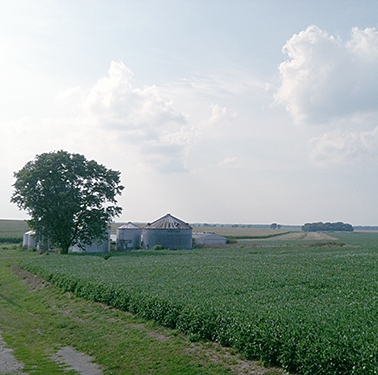
On behalf of a private U.S. agricultural technology provider, WPI’s team generated an econometric model to forecast the movement of concentrated corn production north and west from the traditional U.S. Corn Belt. WPI’s model has subsequently provided quantitative support to a multi-million-dollar investment into short-season corn variety development. WPI’s methodology included a series of interviews with regional grain elevators and seed consultants. Emphasizing outreach and communication with stakeholders who possess intimate sectoral knowledge – on-the-ground insights – is a regular component of WPI’s methodologies, made possible by WPI’s ever-growing network of industry contacts.