


Forecast for Brazil’s Soybean Crop Increased Brazil’s crop supply agency (CONAB) this week increased its forecast for the 2020 Brazilian soybean crop. Its latest forecast is for a crop of 124.205 MMT (4.563 million bushels), up from its February forecast of 123.25 MMT (4.528 billion bushels). The crop is based on an area of 36.82 million hectares (90.98 million acre) and an average yield of 3.373 MT/hectare (50.15 bushels/acre). Brazil produced 115.03 MMT (4.226 billion bushels) of soybeans in 2019. Argentina’s Soymeal and Soyoil Exports Down Thus Far in 2020 A combination of a tight supply of soybeans and the closure of the country’s largest soybean processor has caused Argentina’s exports of soymeal and so...


 Veterans Day offers a moment to pause and recognize the people behind the uniform. To all who have served and the families who have supported them, thank you for your dedication, courage and sacrifice. Markets had plenty of headlines to digest today, and grains offered some encouraging follow-t...
 Key Takeaways: The recent pullback in crude oil and other energy markets has left many in the ag and biofuels communities wondering what it means for ethanol and biodiesel prices and profit margins. WPI’s research indicates a weak but still significant link between ethanol and crud...

 Key Takeaways: Alabama and Louisiana have requested partial waivers of 2027 Renewable Fuel Standard (RFS) requirements, arguing that rising compliance costs are contributing to higher fuel prices and economic hardship. Louisiana Governor Jeff Landry is encouraging neighboring states to join th...

From WPI Consulting
Forecasting developments in production agriculture
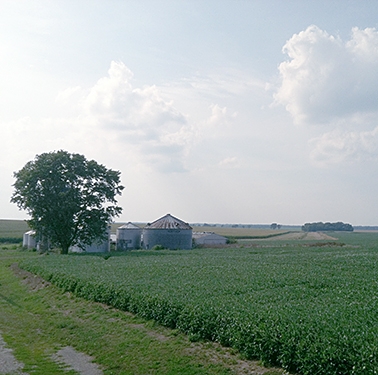
On behalf of a private U.S. agricultural technology provider, WPI’s team generated an econometric model to forecast the movement of concentrated corn production north and west from the traditional U.S. Corn Belt. WPI’s model has subsequently provided quantitative support to a multi-million-dollar investment into short-season corn variety development. WPI’s methodology included a series of interviews with regional grain elevators and seed consultants. Emphasizing outreach and communication with stakeholders who possess intimate sectoral knowledge – on-the-ground insights – is a regular component of WPI’s methodologies, made possible by WPI’s ever-growing network of industry contacts.