
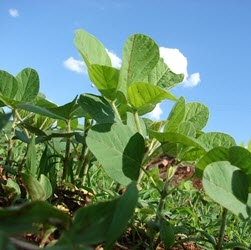
EU Soybean Imports Up, Soymeal Down The EU Commission today reported soybean imports totaled 2.8 MMT as of 16 September and from the beginning of the current marketing year (July-June), up 11 percent from 2.5 MMT at the same time a year ago. It also indicated EU soymeal imports totaled 3.6 MMT as of the same date, down 20 percent versus 4.5 MMT a year earlier. The Commission is boasting that U.S. soybeans account for a larger share of those imports than a year ago at 52 percent as of 12 September compared with only 25 percent during the same period of the previous year. It is insinuating that the increase is somehow the result of a commitment made by Commission President Jean-Claude Juncker to President Trump in July that the EU would imp...



 What You Need to Know Today: USDA reports are delayed until Tuesday due to the federal holiday on Monday. Over the weekend, President Trump announced a ceasefire between Russia and Ukraine. Russia warmly welcomed and confirmed this ceasefire by conducting more strikes against Ukraine. Specific...

 On Saturday, 10 October, at a campaign rally in Clarksville, Tennessee, President Trump said that the U.S. and Mexico would come to terms on a new trade deal, and he said Canada does not need to be part of the deal. Trump called the coming agreement with Mexico “great” but gave no d...
 Key Takeaways: The United States has steadily lost global wheat export market share since the 1970s, falling from the world's leading exporter to a projected fifth place in 2026/27. The rapid expansion of Black Sea wheat exports, driven by improved productivity and export infrastructure, has r...

From WPI Consulting
Communicating importance of value-added products

Facing increasing pressure to quantify the value of export promotion efforts to investors, a U.S. industry organization retained WPI to develop a quantitative model that better communicated the importance of exports. The resulting model concluded that value-added meat exports contributed $0.45 cents per bushel to the price of corn, increasing support for that sector’s financial support of WPI’s client. In addition to serving the red meat industry with this type of analysis, WPI has generated similar deliverables for the U.S. soybean and poultry/egg industries.