
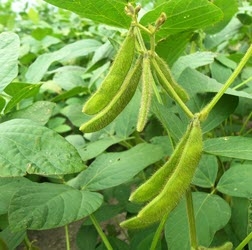
Big U.S. Soybean Export Sales Last Week The week ending 14 May was a good one for U.S. exporters of soybeans, soymeal and soyoil according to today’s USDA export sales report. Large sales to China were the major reason. Net soybean export sales last week for shipment in 2019/20 totaled 1,205,000 MT. The top sales were for China (737,400 MT), unknown destinations (177,700 MT), Egypt (89,300 MT), Italy (38,600 MT), and Canada (28,800 MT). Sales for shipment in 2020/21 totaled 464,200 MT with all but 2,000 MT of that being for China. Soybean exports last week totaled 500,000 MT. The destinations mostly were Egypt (137,300 MT), China (76,700 MT), Mexico (61,300 MT), Italy (38,600 MT), and Taiwan (36,000 MT). Net soymeal export sa...



 Key Takeaways: Export sales measure new commitments for future delivery, while export inspections provide a timelier gauge of grain that is physically moving through the export system. Sales and inspections often diverge from week to week because they measure different stages of the export pro...
 Mediterranean/Middle East/North Africa/Africa – MEA Region Sri Lanka poultry producer associations say that the delay in approving maize imports is pushing prices for poultry meat and eggs higher. Producers have had to use rice for feed rather than maize due to a lack of supply, and many...
 What You Need to Know Today: The Brazilian real surged to start the week after a surprise election result in which right-wing Flavio Bolsonaro won the first round of the election. The swing in the U.S. dollar/Brazilian real (USD/BRL) exchange rate caused soybeans to jump sharply higher in earl...

From WPI Consulting
Infrastructure investment due diligence
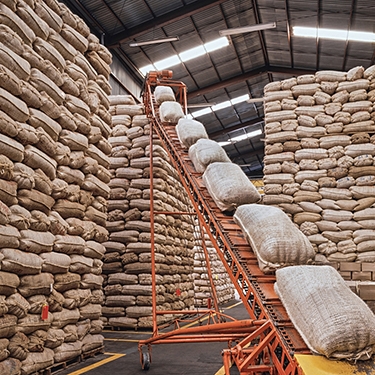
On behalf of a Canadian oilseed processer WPI's team provided market analysis, econometric modeling and financial due diligence in support of a $24 million-dollar investment in a Ukrainian crush plant. Consistent with WPI's findings, local production to supply the plant and the facility's output have expanded exponentially since the investment. WPI has conducted parallel work on behalf of U.S., South American and European clients, both private and public, in the agri-food space.