


Biodiesel Board Establishes Overly Ambitious Goal This week the National Biodiesel Board (NBB) held its annual meeting. As part of that meeting the organization established a goal of producing 6 billion gallons of biodiesel in the U.S. by 2030 and 15 billion gallons by 2050. Any industry should establish ambitious future goals, but the goals should be achievable. While the volume of biodiesel produced in the U.S. in 2019 is not yet known, production in 2018 totaled 1.823 billion gallons. The amount of fats and oils required to produce 1.823 billion gallons of biodiesel was approximately 13.49 billion pounds (6.119 MMT). It would take 44.4 billion pounds (20.14 MMT) of fats and oils to produce 6 billion gallons or an increase of 30.9...



From WPI Consulting
Illuminating the value of technical research
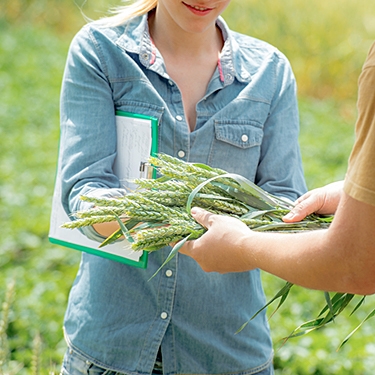
On behalf of a commodity producer organization, WPI evaluated the outputs from a project that featured a $5 million investment into technical research over multiple years. WPI’s team captured the results of this extensive effort and synthesized them for presentation to the organization’s governing board; among the findings uncovered and presented for the first time was the development of genomic traits proven, via rigorous testing, to provide crop yield advantages of 50 percent or more to U.S. farmers in times of drought. Capturing measurable results from long-term efforts can be challenging. Educating clients on the dynamics of success measurement when quantifiable results are not readily available requires deep client-consultant collaboration and an ability to consider both near- and long-term client aspirations with market/policy dynamics – attributes that WPI brings to every consulting engagement.