

The Market With just two days left before the January WASDE, the soy complex is trading above week-ago levels, but that fact belies the weakness that has enveloped the market since late November. Skepticism over China’s long-term commitment to U.S. soybean purchases – especially considering the massive Brazilian crop farmers are starting to harvest – continues to weigh on demand expectations and prices. Too, delays in U.S. biofuel policy regulations approval and implementation continue to depress soyoil demand. The weakness in soybeans has allowed CBOT board crush margins to edge higher this week, rising about 3.75 cts/bu $1.49/bu. Soyoil futures are modestly higher but have lagged meal gains, leaving the oilsh...



 What You Need to Know Today: Corn, wheat, and the soy complex all formed new contract or at least rally highs to close what has become one of the most uniformly bullish weeks in CBOT history. Escalations in the fighting between Russia and Ukraine and attacks on civilian merchant vessels show n...

 The Federal Reserve Board holds an annual meeting in Jackson Hole, Wyoming, each year about this time, and this year’s meeting is now. It’s always a “must-watch” event, but this year, amidst persistent inflation and with a new Fed chairman, Kevin Warsh, it drew additiona...


 You cannot escape the vortex of opinions about water scarcity in the Western United States, especially in the drought-stricken Colorado River Basin. Agriculture is the villain in many of these editorials. Agriculture uses too much water, so it should use less, is the refrain. We all wish it was...

From WPI Consulting
Forecasting developments in production agriculture
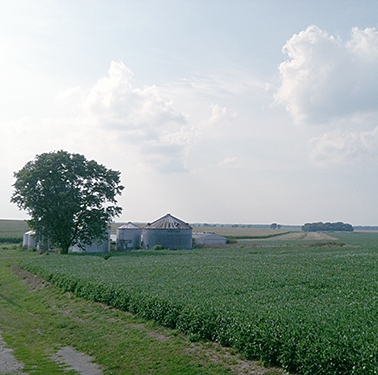
On behalf of a private U.S. agricultural technology provider, WPI’s team generated an econometric model to forecast the movement of concentrated corn production north and west from the traditional U.S. Corn Belt. WPI’s model has subsequently provided quantitative support to a multi-million-dollar investment into short-season corn variety development. WPI’s methodology included a series of interviews with regional grain elevators and seed consultants. Emphasizing outreach and communication with stakeholders who possess intimate sectoral knowledge – on-the-ground insights – is a regular component of WPI’s methodologies, made possible by WPI’s ever-growing network of industry contacts.