
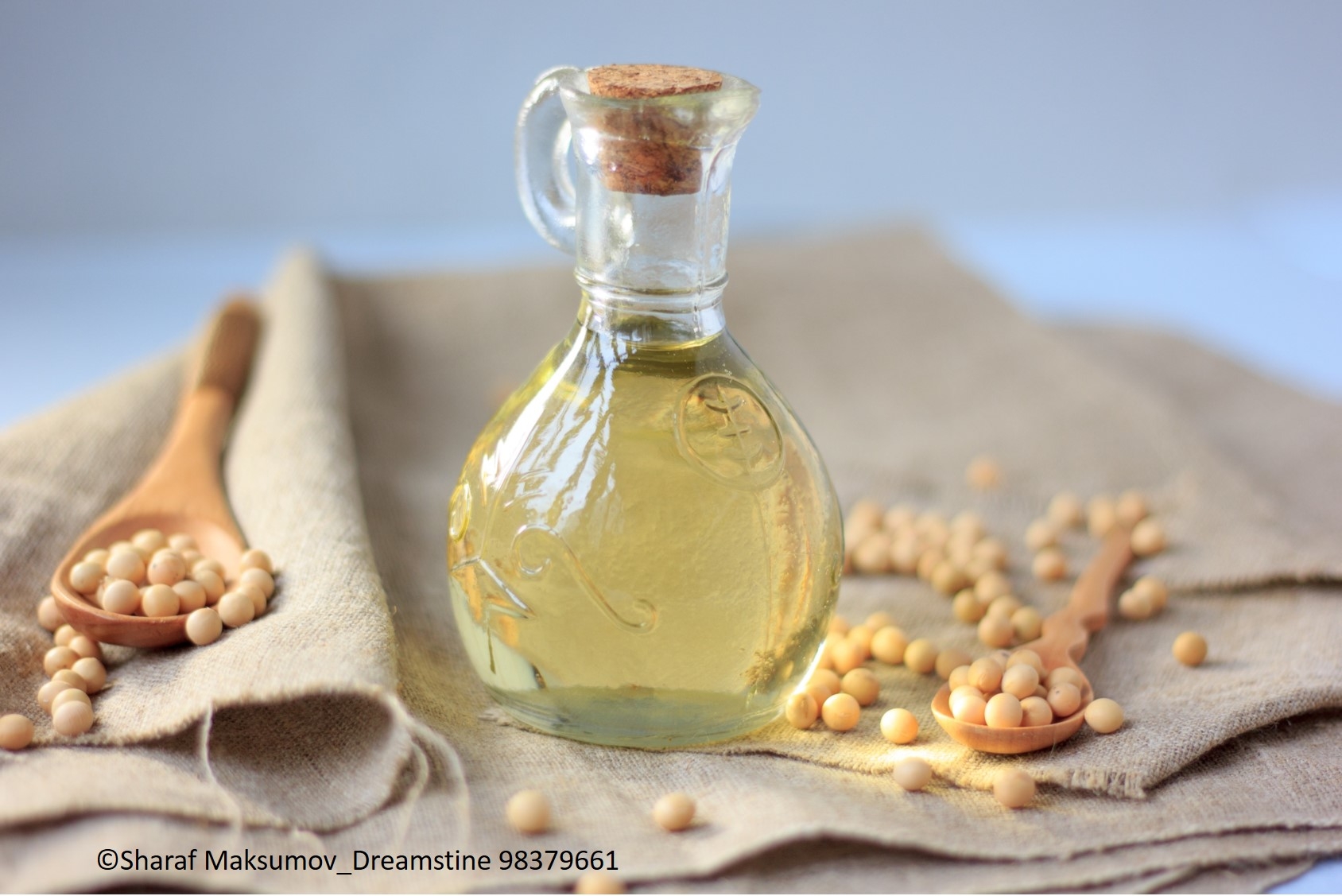
U.S. Soybean Export Sales Shift to New Crop Today’s USDA/FAS export sales report further confirmed the ongoing shift in U.S. sales of soybeans from the 2020 crop to the 2021 crop. Tight U.S. soybean stocks and less expensive soybean exports from South America are combining to cause the decline in old crop sales. Net soybean export sales in the week ending 1 April for shipment in 2020/21 were a negative 92,500 MT. New sales to Egypt (66,200m MT), Japan (40,700 MT), Indonesia (21,100 MT), Mexico (13 ,200 MT), and Saudi Arabia (10,400 MT) were more than offset by reductions of 216,100 MT for China and 51,800 MT for unknown destinations. However, USDA indicated exporters had reported the sale of 338,600 MT of soybeans for shipment in 20...



 What You Need to Know Today: The September Cattle on Feed report was strongly bullish, with both the 1 September on-feed inventory and August placements coming in well below average expectations and below the bottom of their respective pre-report estimate ranges. China continues to buy U...


 USDA’s September cattle on feed report was released Friday, with the total number of cattle in feedlots with 1,000 head or more capacity amounting to 11.2 million head, 101 percent of last year. Placements dropped in August to their lowest total for the month since records began in 1996...
 Key Takeaways: The U.S. herd is stabilizing, but growth remains modest. Total goat inventory rose 1 percent in 2026, while meat-goat numbers increased 2 percent, which is not enough to materially reduce import dependence. Domestic slaughter is rising from a low base. Commercial slaughter incre...

From WPI Consulting
Infrastructure investment due diligence
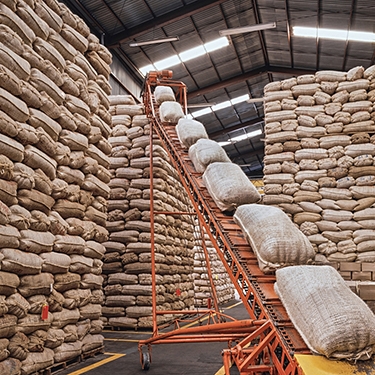
On behalf of a Canadian oilseed processer WPI's team provided market analysis, econometric modeling and financial due diligence in support of a $24 million-dollar investment in a Ukrainian crush plant. Consistent with WPI's findings, local production to supply the plant and the facility's output have expanded exponentially since the investment. WPI has conducted parallel work on behalf of U.S., South American and European clients, both private and public, in the agri-food space.