
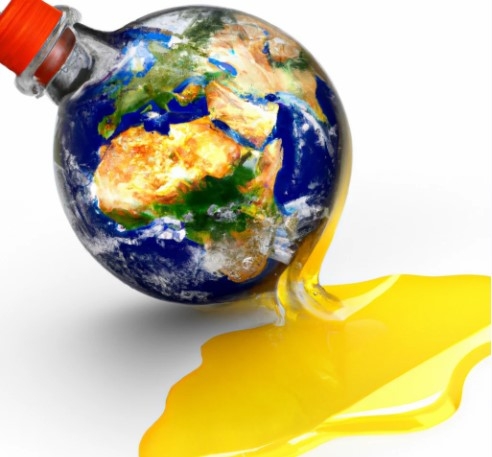
The price of olive oil has hit over $6,000/MT on a combination of increased demand and a production shortfall in Spain caused by drought, or what some claim is more permanent adverse consequence of climate change. Europe has historically dominated the world’s production of olive oil, producing up to 70 percent of the supply. That share dropped off more recently as production elsewhere in the world hit a new high at the same time European production has failed to repeat the peak it achieved in 2019. U.S. production mostly occurs in California, which has its own version of drought problems. It may require breeding a more drought tolerant olive tree to restore a supply/demand balance. ...



 What You Need to Know Today: Markets got a surprise with a corn yield of 181.2 bushels/acre in the October WASDE, above the average estimate of 177.6 bushels/acre and up from USDA’s September estimate of 178.5 bushels/acre. Although stronger demand is expected to absorb some of the addit...

 Key Takeaways: On Friday afternoon, President Trump announced that Russia will “immediately supply over 300,000 Tons of Diesel Fuel” to the United States. The deal, typical of this administration, is light on details but promises an additional 500,000 tons in November and 1 m...

From WPI Consulting
Accountability and a comprehensive approach to export programming

WPI’s team helped construct a strategic approach to develop, implement, and track promotional activities in 8 key regions across the globe for an agricultural export association. With continued progress measurement and strategic advisory services from WPI, the association has seen its ROI from investments in promotional programming increase by 44 percent over the past 5 years. Not only does this type of holistic approach to organizational strategy provide measurable results to track and analyze, it fosters top-down and bottom-up organizational accountability.