
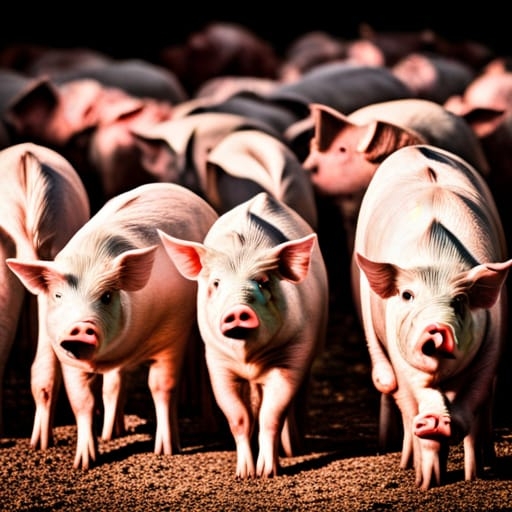
The value of hogs has fallen 15 percent over the past year and Quebec, Canada’s largest pig producing province, is trying to shed animals. The plan is to spend C$80 million to reduce the output of animals by 1 million head. But the problem may be bigger than that. Quebec has 53.8 percent of the Canadian pig farms but only produces 31 percent of the total pig crop. At a time when livestock operations are consolidating to achieve economies of scale, Quebec has a long way to go. Quebec has the advantage of producing the second largest amount of corn and soybeans for feed, and Ontario is adjacent with the largest feed output. Still, the province lacks efficiency on the farm and that impacts profitability at the processors. Though n...



 What You Need to Know Today: There has already been a strong run of flash soybean sales announcements in recent weeks, but more than 1.4 MMT reported this morning is an exceptionally large single-day total with major implications for the market. If the sales to China and unknown destinations w...
 On Friday, at 6:57 AM, President Donald Trump announced, via a social media post, a 90-day window during which up to 300,000 metric tons of product for ground beef could be imported outside of tariff-rate quotas—a move aimed at bringing down costs for American consumers. This is the secon...

From WPI Consulting
Accountability and a comprehensive approach to export programming

WPI’s team helped construct a strategic approach to develop, implement, and track promotional activities in 8 key regions across the globe for an agricultural export association. With continued progress measurement and strategic advisory services from WPI, the association has seen its ROI from investments in promotional programming increase by 44 percent over the past 5 years. Not only does this type of holistic approach to organizational strategy provide measurable results to track and analyze, it fosters top-down and bottom-up organizational accountability.