

Exports point to climate change as the cause of the plateauing in global crop production but no where is it more apparent than in coffee production. Brazil is responsible for 40 percent of global coffee production and around 31 percent of global trade. This year, Brazil’s coffee exports will drop 22 percent, though global trade will only fall 4 percent as other coffee suppliers fill the gap. Brazil’s four-year low in coffee output is the result of last year’s drought conditions and winter frosts. Some of this year’s crop is also seeing dryness but rains have been ample where they count. Traders can manage moving grain crops were they are needed, but only if they have sufficient caffeine to think it through cle...



From WPI Consulting
Infrastructure investment due diligence
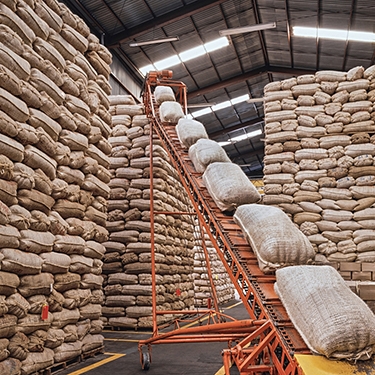
On behalf of a Canadian oilseed processer WPI's team provided market analysis, econometric modeling and financial due diligence in support of a $24 million-dollar investment in a Ukrainian crush plant. Consistent with WPI's findings, local production to supply the plant and the facility's output have expanded exponentially since the investment. WPI has conducted parallel work on behalf of U.S., South American and European clients, both private and public, in the agri-food space.