
Yesterday’s USDA acreage report was decidedly less friendly to the outlook for livestock than it was to corn and soybeans as it not only provided no relief on feed costs but made the situation worse. Livestock and poultry producers’ attention now will be on the July WASDE to see if USDA adjusts its yield estimates based on weather conditions in the western Corn Belt and the Plains. At the same time feed costs are pressuring producers’ cost of production, hog and poultry producers are seeing a policy threat, in the form of slower line speeds at slaughter plants that could constrain harvest and impact the demand for hogs and birds moving forward. For pork, a ruling by the federal district court of M...



 Key Takeaways: The CME Group is launching new 90 percent Lean Beef and 50 percent Lean Beef futures and options contracts in July. There are five key factors that must be present in physical markets and futures contract specifications for futures contracts to become successful. The two l...
 What You Need to Know Today: The hot, dry weather forecast continues to drive strength in grain futures with corn and soybeans hitting another day of strong gains. Monday’s Crop Progress and Conditions data were in line with market expectations and showed relatively few concerns for the...

From WPI Consulting
Forecasting developments in production agriculture
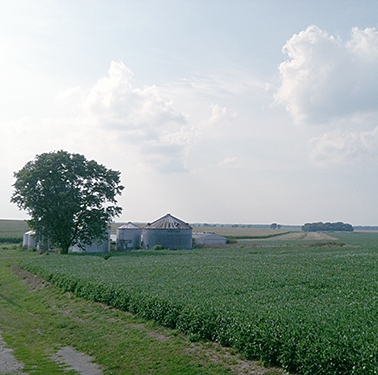
On behalf of a private U.S. agricultural technology provider, WPI’s team generated an econometric model to forecast the movement of concentrated corn production north and west from the traditional U.S. Corn Belt. WPI’s model has subsequently provided quantitative support to a multi-million-dollar investment into short-season corn variety development. WPI’s methodology included a series of interviews with regional grain elevators and seed consultants. Emphasizing outreach and communication with stakeholders who possess intimate sectoral knowledge – on-the-ground insights – is a regular component of WPI’s methodologies, made possible by WPI’s ever-growing network of industry contacts.