


Despite the usual lack of important fresh inputs for markets to digest, there is a seasonal trend for grain and soy futures prices to move slowly and modestly higher during this month and early March. However, that has not worked out so far this year.February is typically a period during most annual agricultural crop and market cycles when fundamental market-moving inputs are scarce. Supplies of grains and oilseeds are reasonably well known, and demand trends for the current crop year are in place. Southern Hemisphere harvests are usually underway, and South American production estimates have become well defined. Spring planting in the Northern Hemisphere is still six-eight weeks away. Winter wheat remains in dormancy, and harvesting will n...


 What You Need to Know Today: Chinese purchases of U.S. soybeans continued to accelerate, with USDA reporting another 558 KMT sold to China and 236 KMT to unknown destinations. Combined with sales announced Wednesday and Thursday, the latest purchases bring the three-day total to approximately...

 As fall begins, wild migratory birds are starting their seasonal migration. That has the industry and government officials worried about the potential spread, again, of highly pathogenic avian influenza (HPAI). Some members of Congress have called for the United States to be prepared for a pote...

From WPI Consulting
Infrastructure investment due diligence
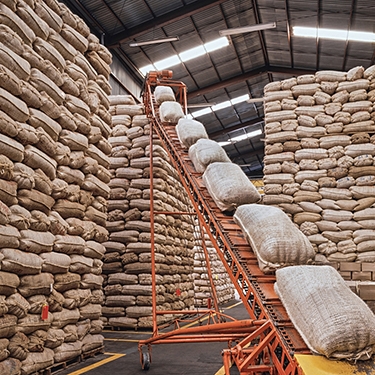
On behalf of a Canadian oilseed processer WPI's team provided market analysis, econometric modeling and financial due diligence in support of a $24 million-dollar investment in a Ukrainian crush plant. Consistent with WPI's findings, local production to supply the plant and the facility's output have expanded exponentially since the investment. WPI has conducted parallel work on behalf of U.S., South American and European clients, both private and public, in the agri-food space.