


 The situation in the Persian Gulf remains as volatile as ever since it started on 28 February with a supposed weekend peace agreement dissolving into the U.S. Navy firing upon an Iranian vessel. The vessel was trying to pass through the Strait of Hormuz and reportedly did not heed commands to h...
 Aid versus Trade Development assistance has a long and unsatisfying history. The causes of poverty were long ago identified as poor governance and the lack of rule of law. But the UN could not criticize the national leaders that form its membership, and so for decades development assistance has...

 President Trump and Iranian Foreign Minister Abbas Araghchi announced on social media Friday that the Strait of Hormuz is now fully open to commercial vessels. Araghchi’s post said the strait will stay open for the remainder of the U.S.-Iran ceasefire. President Trump said, “the Str...

From WPI Consulting
Forecasting developments in production agriculture
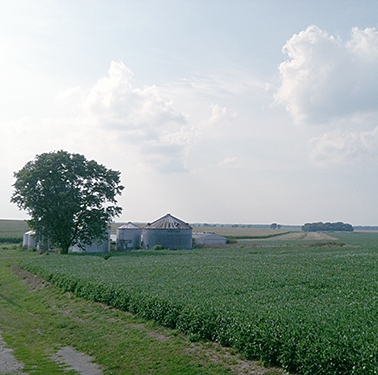
On behalf of a private U.S. agricultural technology provider, WPI’s team generated an econometric model to forecast the movement of concentrated corn production north and west from the traditional U.S. Corn Belt. WPI’s model has subsequently provided quantitative support to a multi-million-dollar investment into short-season corn variety development. WPI’s methodology included a series of interviews with regional grain elevators and seed consultants. Emphasizing outreach and communication with stakeholders who possess intimate sectoral knowledge – on-the-ground insights – is a regular component of WPI’s methodologies, made possible by WPI’s ever-growing network of industry contacts.