
U.S. corn continues to be priced above the market and even now appears to be oversupplied. Domestic surplus corn stocks are 46 percent above what would be considered a tight situation. Yet, from a historical standpoint, U.S. surplus corn stocks are 55 percent below their 1987 peak. Instead, what has happened is that China has quadrupled its surplus corn stocks in under a decade. Beijing says it is working down the surpluses but at the same time claims that its real numbers are a state secret. U.S. trade negotiators have counseled China against the folly of oversupply but have saved their direct demands for other topics. Word is that Beijing is backing away from the full 10 percent ethanol blending requirement that would have better ratione...



From WPI Consulting
Infrastructure investment due diligence
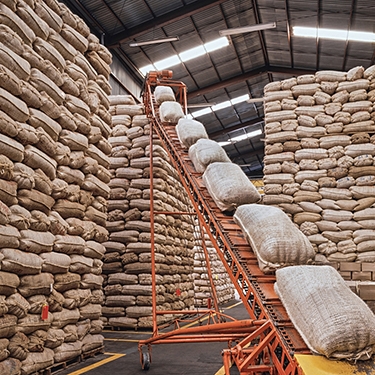
On behalf of a Canadian oilseed processer WPI's team provided market analysis, econometric modeling and financial due diligence in support of a $24 million-dollar investment in a Ukrainian crush plant. Consistent with WPI's findings, local production to supply the plant and the facility's output have expanded exponentially since the investment. WPI has conducted parallel work on behalf of U.S., South American and European clients, both private and public, in the agri-food space.