

Just as North America both produces and consumes most of the world’s turkey meat (with a small honorable mention to Brazil), it also has a unique fascination with cranberries. The U.S. produces 65 percent of the world’s cranberries and adding Canada makes North America the supplier of 96 percent of the fruit. At least with cranberries, it is enjoyed by a larger number of countries than turkey. Almost half the North American cranberry crop is exported, with Europe the main buyer and consumer. Considering that North America is mostly an importer of fresh and processed fruits, cranberries stand out for being a popularly exported fruit. Notably, USDA announced last month that the majority of the 1,200 U.S. farms growing cranberries...



 What You Need to Know Today: Crude oil prices extended their rally today, supported by several developments, including escalating Houthi attacks on Saudi Arabian oil infrastructure and growing concerns about supply disruptions. The Trump administration is reportedly preparing to remove 50 perc...
 Key Takeaways: The agricultural trade surplus has become a sizable deficit: the balance swung from a $40.1 billion surplus in 2011 to a $40.7 billion deficit in 2025. Imports kept growing while exports lost momentum: between 2020 and 2025, agricultural imports increased 45 percent, compa...

 USDA released its October Cattle on Feed report Friday, showing 11.4 million cattle in feedlots with capacity for 1,000 head or more, slightly below last year. September placements were the lowest for the month since records began in 1996, marking the third consecutive month of placements sett...
 Total Red Meat & Poultry September 2026 total red meat and poultry stocks totaled 1.97 billion pounds, down 1.4 percent from August despite typically increasing 0.8 percent during the month, and were 1.5 percent below September 2025 levels. The decline pushed total inventories to a new five...

From WPI Consulting
Illuminating the value of technical research
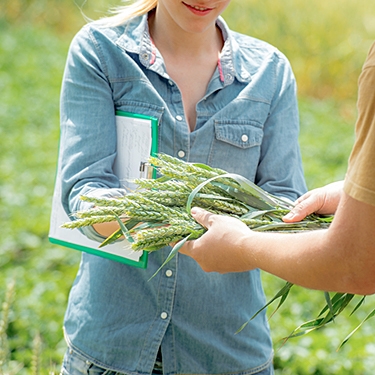
On behalf of a commodity producer organization, WPI evaluated the outputs from a project that featured a $5 million investment into technical research over multiple years. WPI’s team captured the results of this extensive effort and synthesized them for presentation to the organization’s governing board; among the findings uncovered and presented for the first time was the development of genomic traits proven, via rigorous testing, to provide crop yield advantages of 50 percent or more to U.S. farmers in times of drought. Capturing measurable results from long-term efforts can be challenging. Educating clients on the dynamics of success measurement when quantifiable results are not readily available requires deep client-consultant collaboration and an ability to consider both near- and long-term client aspirations with market/policy dynamics – attributes that WPI brings to every consulting engagement.