World Perspectives
livestock

Reshuffling Meat Distribution

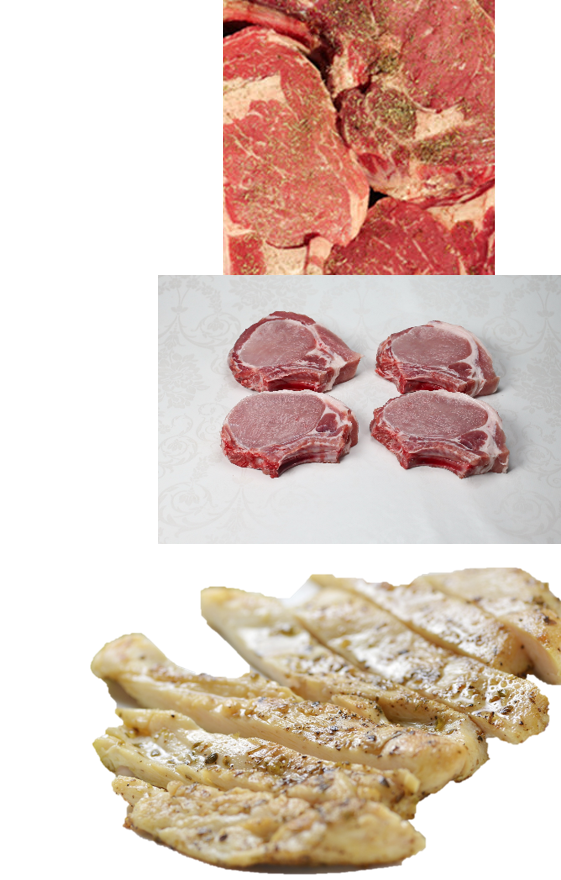
The OECD’s recent World Agricultural Outlook 2023-32 report notes that meat consumption is declining in affluent countries. The reasons cited include concerns about animal welfare, the environment and health. Those concerns may be true, but it also correlates with the fact that the median age in rich countries is rising, and humans need less animal protein as they move beyond age 30. Older adults tend to consume more carbohydrates for basic energy rather than tissue-building protein. 

It is important to note that during adolescence and early adulthood, males consume considerably more animal protein than females. The OECD follows recent trends and predicts that poultry meat will increasingly replace some of the intake of beef a...

Related Articles

Who is Paying for U.S. Tariffs?

Over the course of 2025, the average tariff rate on U.S. imports increased from 2.6 percent at the beginning of the year to 13 percent by year-end. It then spiked in April and May, when tariffs on Chinese goods were raised by 125 percentage points, before being reversed by 115 percentage points...

Transportation and Export Report - 13 February 2026

U.S. grain transportation markets are slowly recovering from the shocks of bitter cold weather and low water levels on the Mississippi River System and from the surge in export demand. The latter is also causing strong rallies in ocean freight markets, particularly in the Atlantic basin. With g...

feed-grains soy-oilseeds wheat

Market Commentary: China Headlines and Technical Buying Lift CBOT

Key Market Developments Markets head into Friday’s CPI report expecting a 0.3 percent month-over-month increase in both headline and core inflation, keeping year-over-year readings near +2.5 percent. That matters — but perhaps not as much as it would have a few weeks ago. This week&...

Who is Paying for U.S. Tariffs?

Over the course of 2025, the average tariff rate on U.S. imports increased from 2.6 percent at the beginning of the year to 13 percent by year-end. It then spiked in April and May, when tariffs on Chinese goods were raised by 125 percentage points, before being reversed by 115 percentage points...

Transportation and Export Report - 13 February 2026

U.S. grain transportation markets are slowly recovering from the shocks of bitter cold weather and low water levels on the Mississippi River System and from the surge in export demand. The latter is also causing strong rallies in ocean freight markets, particularly in the Atlantic basin. With g...

feed-grains soy-oilseeds wheat

Market Commentary: China Headlines and Technical Buying Lift CBOT

Key Market Developments Markets head into Friday’s CPI report expecting a 0.3 percent month-over-month increase in both headline and core inflation, keeping year-over-year readings near +2.5 percent. That matters — but perhaps not as much as it would have a few weeks ago. This week&...

Sovereignty and Competitiveness; USMCA Battle

Sovereignty and Competitiveness So-called food sovereignty has animated European politics for decades. Now there is AI sovereignty because English is annoying or a national security risk. Taxes, regulations, and fines are thrown at dominant foreign companies to the point that Bloomberg says som...

Image
From WPI Consulting

Accountability and a comprehensive approach to export programming

WPI’s team helped construct a strategic approach to develop, implement, and track promotional activities in 8 key regions across the globe for an agricultural export association. With continued progress measurement and strategic advisory services from WPI, the association has seen its ROI from investments in promotional programming increase by 44 percent over the past 5 years. Not only does this type of holistic approach to organizational strategy provide measurable results to track and analyze, it fosters top-down and bottom-up organizational accountability.

Search World Perspectives

Sign In to World Perspectives

Don’t have an account yet? Sign Up