


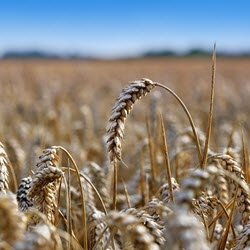
Moscow’s introduction of export constraints on major commodities is only part of the story of the return of the world’s breadbasket. The changes that have occurred since the collapse of the Soviet Union continue to reverberate across the country. Between 1992 and 1998, Russian cereals production fell by 57 percent. It is now 30 percent greater than its 1992 level. However, not all commodities have come back. Wheat production is up 82 percent from 1992. But Russia’s famous potato production is down 41 percent, and milk and barley production have declined. The export restrictions are supposedly to ensure food security but severe food insecurity in Russia is just 0.79 percent. There are plenty of calories and obesity has cli...


 What You Need to Know Today: President Trump claimed the ceasefire between the U.S. and Iran was over, as both sides accused one another of violating the terms of the agreement. Commercial vessels are increasingly steering clear of the Strait of Hormuz as security risks escalate following Iran...
 Russian Grain Markets: 29 June-3 July 2026 The new marketing season has officially begun in Russia, although bearish sentiment has been concentrated in the southern regions closest to the Black Sea ports, where export demand has been weakest. Delays in grain deliveries to inland elevators have...

From WPI Consulting
Infrastructure investment due diligence
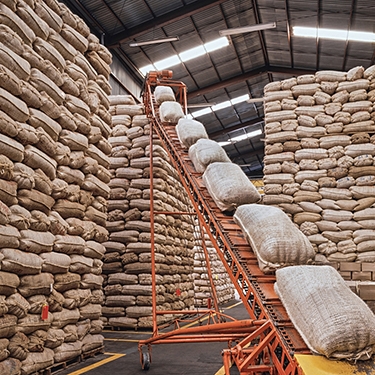
On behalf of a Canadian oilseed processer WPI's team provided market analysis, econometric modeling and financial due diligence in support of a $24 million-dollar investment in a Ukrainian crush plant. Consistent with WPI's findings, local production to supply the plant and the facility's output have expanded exponentially since the investment. WPI has conducted parallel work on behalf of U.S., South American and European clients, both private and public, in the agri-food space.