
Saving the World More than 50 agriculture ministers from OECD-member and non-member countries meet later this week to discuss: Building Sustainable Agriculture and Food Systems in a Changing Environment: Shared Challenges, Transformative Solutions. Yup, saving the world. What they are terming “Transformative solutions” must feed the world while reducing adverse environmental impacts. It is prepatory to the COP27 climate change meeting and an opportunity to position agriculture as a necessity, and possibly a solution, rather than the scourge portrayed by some environmentalists. Behind the scenes and based on prior experience, the meeting’s most likely dynamic will be 40 countries asking 10 wealthier countries to both give...



 What You Need to Know Today: There has already been a strong run of flash soybean sales announcements in recent weeks, but more than 1.4 MMT reported this morning is an exceptionally large single-day total with major implications for the market. If the sales to China and unknown destinations w...
 On Friday, at 6:57 AM, President Donald Trump announced, via a social media post, a 90-day window during which up to 300,000 metric tons of product for ground beef could be imported outside of tariff-rate quotas—a move aimed at bringing down costs for American consumers. This is the secon...

From WPI Consulting
Infrastructure investment due diligence
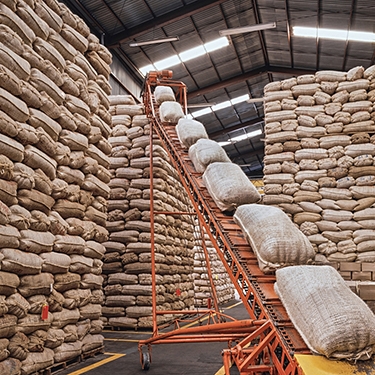
On behalf of a Canadian oilseed processer WPI's team provided market analysis, econometric modeling and financial due diligence in support of a $24 million-dollar investment in a Ukrainian crush plant. Consistent with WPI's findings, local production to supply the plant and the facility's output have expanded exponentially since the investment. WPI has conducted parallel work on behalf of U.S., South American and European clients, both private and public, in the agri-food space.