


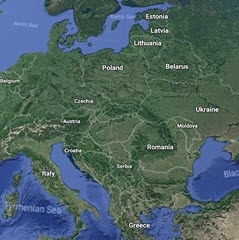
Regional News Last week initially saw hot temperatures across Southeast Europe before a slight cooling pattern set in. The early-week heat, combined with this week’s forecast for additional hot, dry weather, will likely hinder late-filling crop yields. The hot, dry weather may reduce soybean, sunflower, and to some extent, corn yields and production figures. However, the Black Sea regions of Ukraine and Russia are expected to have dry, somewhat warmer weather that will not be as detrimental to yields. Ukraine’s grain exports are setting a strong pace for the 2019/20 marketing year, up 7.3 MMT YTD. Exports have risen to 11.1 MMT, including 6.75 MMT of wheat, 1.88 MMT of corn, and 2.45 MMT of barley. For the 2019/20 crop y...



From WPI Consulting
Illuminating the value of technical research

On behalf of a commodity producer organization, WPI evaluated the outputs from a project that featured a $5 million investment into technical research over multiple years. WPI’s team captured the results of this extensive effort and synthesized them for presentation to the organization’s governing board; among the findings uncovered and presented for the first time was the development of genomic traits proven, via rigorous testing, to provide crop yield advantages of 50 percent or more to U.S. farmers in times of drought. Capturing measurable results from long-term efforts can be challenging. Educating clients on the dynamics of success measurement when quantifiable results are not readily available requires deep client-consultant collaboration and an ability to consider both near- and long-term client aspirations with market/policy dynamics – attributes that WPI brings to every consulting engagement.