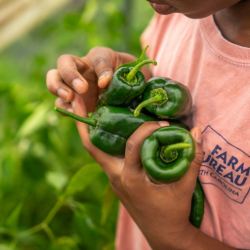
A bipartisan group of 26 lawmakers, led by Representative David Valadao (R-CA), sent a letter to House Speaker Mike Johnson (R-Louisiana) and House Agriculture Committee Chair GT Thompson (R-Pennsylvania) requesting that $5 billion of the temporary economic assistance for farmers go toward specialty crop producers. The letter notes that specialty crop growers only received $1.625 billion of the $12 billion allocated through the Farmer Bridge Payment program, despite the sector representing over 350 commodities across 220,000 farms in all 50 states. …specialty crop growers lack access to the same safety-net programs available to many traditional commodity producers. In 2022, it was reported that only 15 percent of specialty crop...


 What You Need to Know Today: Cattle futures extended their sharp selloff Friday as weakening cash cattle prices, deteriorating feedlot profitability, and reduced packer demand continued to weigh on the market. The inability of futures to sustain a rally following last week's bullish Cattle on...


 As predicted, the Federal Reserve held rates steady at the last meeting before the midterm elections, likely in part because of the election (see WPI 19 October and 22 September). The decision comes at the tail end of a midterm election cycle that has been marked by the two parties campaigning...
 Key Takeaways: The tariff burden rose sharply in 2025 and 2026: the effective rate on imports in HTS Chapters 1–24 increased from 1.53 percent in 2024 to 6.11 percent in 2025, before averaging 5.68 percent in January–August 2026. Headline rates tell only part of the story: exemptio...

From WPI Consulting
Weighing in on strategic realignment

WPI’s team was retained by the governing board of a U.S. industry organization to review a decision, reached by vote, to invest significant assets into the development and management of an export trading company. WPI’s team conducted a formal review of this decision and concluded that the current level of market saturation would limit the benefits of the investment. Based on WPI’s analysis and recommended actions, the board subsequently reversed its decision and undertook a strategic planning effort to identify more impactful investments. On behalf of numerous clients, WPI has not only assisted in identifying strategic paths but also advised their implementation.