SPS Minus Minus U.S. agriculture groups responded to a U.S. request for comments on what should be the objectives in negotiating a transatlantic trade agreement, and their focus was on the usual suspect – sanitary and phytosanitary (SPS) barriers. Europe’s current technical barriers are expected to become worse as Brussels gets ever more prescriptive and non-science based. For example, the EU’s adoption of hazard as a standard for assessing the safety of pesticides and not just risk (possible versus actual danger) threatens an already declining sale of U.S. foods in Europe. The American farm groups recommend European adoption of the SPS++ provisions in the new North American trade agreement (USMCA). At this juncture, the...



 What You Need to Know Today: The corn and soybean markets closed slightly higher in low-volume trade. The wheat market was mixed, with HRW continuing its downward trek on improved moisture. As expected, the bearish cattle on feed report drove down cattle prices and pulled hogs down with it. Mi...

 Monday, 25 May is a U.S. holiday, and both the markets and our office will be closed. Please note that the next issue of Ag Perspectives will be published on Tuesday, 26 May. The WPI staff wishes everyone a safe and enjoyable holiday weekend...
 USDA’s monthly cattle on feed report was released today. The total number of cattle on feed in feedlots with 1,000 head or more capacity amounted to 11.6 million head, 102 percent of last year. Source: USDA, WPI Placements were up, but part of that is attributable to persistent drought c...

From WPI Consulting
Forecasting developments in production agriculture
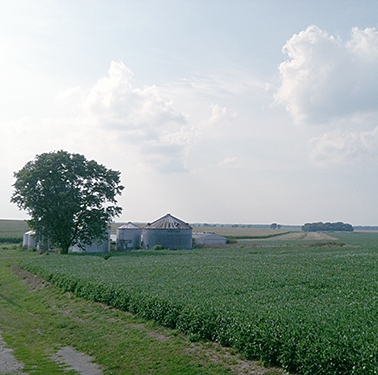
On behalf of a private U.S. agricultural technology provider, WPI’s team generated an econometric model to forecast the movement of concentrated corn production north and west from the traditional U.S. Corn Belt. WPI’s model has subsequently provided quantitative support to a multi-million-dollar investment into short-season corn variety development. WPI’s methodology included a series of interviews with regional grain elevators and seed consultants. Emphasizing outreach and communication with stakeholders who possess intimate sectoral knowledge – on-the-ground insights – is a regular component of WPI’s methodologies, made possible by WPI’s ever-growing network of industry contacts.