
Stopping Transition Volatility Policymakers set targets related to sustainability to achieve desired end goals. These include reducing pesticide use by 30 percent, mandating 10 percent ethanol blends, or ending internal combustion engine automobiles by 2030. These inflexible policies lead to volatility when successor technologies fail to materialize, or efficiently fill the gaps that are created. Brazil at least operates countercyclical biofuel policy whereas a fifth of U.S. corn goes into ethanol no matter the price per bushel. And there are 17 different gasoline formulations used in the U.S. depending on the local environmental conditions. Any shortfall in supply requires a lengthy EPA process before alternative formulations can be used...



 What You Need to Know Today: There has already been a strong run of flash soybean sales announcements in recent weeks, but more than 1.4 MMT reported this morning is an exceptionally large single-day total with major implications for the market. If the sales to China and unknown destinations w...
 On Friday, at 6:57 AM, President Donald Trump announced, via a social media post, a 90-day window during which up to 300,000 metric tons of product for ground beef could be imported outside of tariff-rate quotas—a move aimed at bringing down costs for American consumers. This is the secon...

From WPI Consulting
Infrastructure investment due diligence
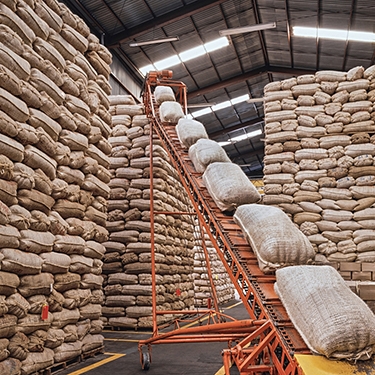
On behalf of a Canadian oilseed processer WPI's team provided market analysis, econometric modeling and financial due diligence in support of a $24 million-dollar investment in a Ukrainian crush plant. Consistent with WPI's findings, local production to supply the plant and the facility's output have expanded exponentially since the investment. WPI has conducted parallel work on behalf of U.S., South American and European clients, both private and public, in the agri-food space.