Tale of Trade Restrictions’ Tail China came into the U.S. market today for soybeans, but American farmers now realize they need to diversify their markets. Perhaps they’ve learned something from past trade wars. Consider the following: Soviet Grain Embargo 1) Before the Soviet Union invaded Afghanistan in 1979 and incurred a grain export embargo by the U.S., it was approved to import 25 MMT of American wheat and corn or 10 percent of U.S. annual production. 2) Counterintuitively, the price of wheat rose from $4.39/bushel in January 1980 when the embargo was imposed to $5.00/bushel a year later when it was removed. 3) U.S wheat exports totaled 37 MMT before the embargo, hit 41 MMT during its imposition and then rose to 48 MM...



 What You Need to Know Today: Traders are increasingly focused on next Wednesday’s August WASDE report, with corn and soybean yield estimates expected to drive the next major move in grain markets. Recent crop condition declines and late-July heat have increased uncertainty around USDA&rs...
 Yesterday the Senate Agriculture Committee held its markup of the “skinny” farm bill, and it was derailed over Democratic opposition to plans for imposing food stamp costs on state governments. The Democrats pushed back on a provision that required states to pick up a larger share o...
 Key Takeaways: WPI’s 2025/26 corn export models continue to reflect strong international demand and put the total marketing year volume slightly above USDA’s estimates. Strong old crop corn exports are offset by weaker feed and residual use, leaving ending stocks slightly ele...

From WPI Consulting
Forecasting developments in production agriculture
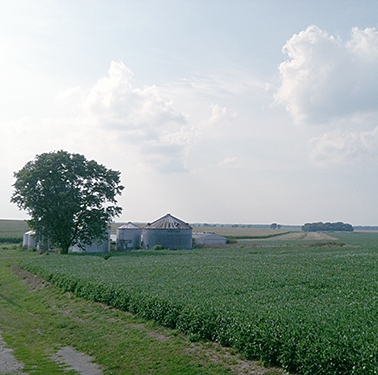
On behalf of a private U.S. agricultural technology provider, WPI’s team generated an econometric model to forecast the movement of concentrated corn production north and west from the traditional U.S. Corn Belt. WPI’s model has subsequently provided quantitative support to a multi-million-dollar investment into short-season corn variety development. WPI’s methodology included a series of interviews with regional grain elevators and seed consultants. Emphasizing outreach and communication with stakeholders who possess intimate sectoral knowledge – on-the-ground insights – is a regular component of WPI’s methodologies, made possible by WPI’s ever-growing network of industry contacts.