
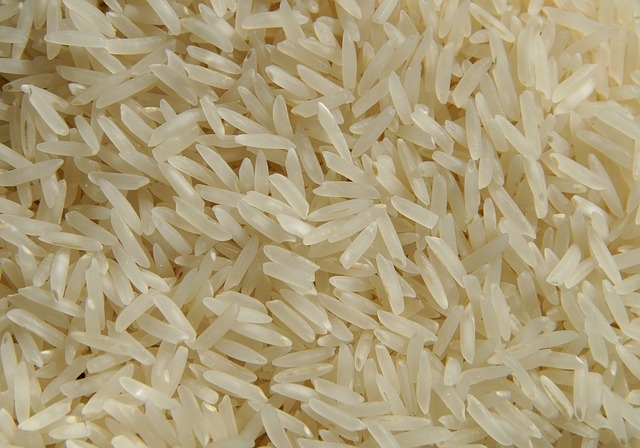
At the behest of the domestic rice industry, U.S. House Ways & Means Committee Chair Jason Smith (R-MO) asked the U.S. International Trade Commission to conduct Section 332 fact-finding investigation of global competitiveness in rice, which the industry claims is skewed by unfair trade practices. A similar investigation back in 2015 led to a report called, “Rice: Global Competitiveness of the U.S. Industry” (Investigation No. 332-549) and led to follow-up actions by the Office of the U.S. Trade Representative. India is the largest rice exporter, supplying nearly a third of the global market and is largely the target of the investigations. Of the top five rice exporting nations, India is the only country that does not...



 USDA and sugar have been married since 1934. With such an old marriage, there are all manner of promises, obligations and compromises. There are disagreements and arguments, and occasional calls for divorce, but they lack real conviction. We outsiders find it all so difficult to understand. The...


From WPI Consulting
Weighing in on strategic realignment

WPI’s team was retained by the governing board of a U.S. industry organization to review a decision, reached by vote, to invest significant assets into the development and management of an export trading company. WPI’s team conducted a formal review of this decision and concluded that the current level of market saturation would limit the benefits of the investment. Based on WPI’s analysis and recommended actions, the board subsequently reversed its decision and undertook a strategic planning effort to identify more impactful investments. On behalf of numerous clients, WPI has not only assisted in identifying strategic paths but also advised their implementation.