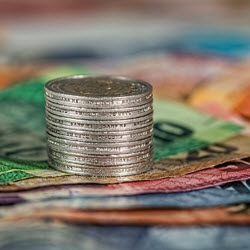
In the complex dynamics of the global economy, it is sometimes difficult to discern what is cause and what is effect. Not surprisingly, however, the Chinese yuan has dropped 9 percent against the U.S. dollar since mid-April amidst the trade sanctions being imposed between the U.S. and China. This is the most recent significant devaluation since 2015 and it is also the biggest drop in the yuan in about 25 years.
Obviously, the imposition of tariffs on Chinese goods – and the threat of more – has impacted the yuan’s value. Additionally, the strong economic growth in the U.S. is supporting the value of the dollar. However, the yuan is a managed currency, limited to moving within a 2 percent band, and it is likely tha...



 What You Need to Know Today: The corn and soybean markets closed slightly higher in low-volume trade. The wheat market was mixed, with HRW continuing its downward trek on improved moisture. As expected, the bearish cattle on feed report drove down cattle prices and pulled hogs down with it. Mi...

 Monday, 25 May is a U.S. holiday, and both the markets and our office will be closed. Please note that the next issue of Ag Perspectives will be published on Tuesday, 26 May. The WPI staff wishes everyone a safe and enjoyable holiday weekend...
 USDA’s monthly cattle on feed report was released today. The total number of cattle on feed in feedlots with 1,000 head or more capacity amounted to 11.6 million head, 102 percent of last year. Source: USDA, WPI Placements were up, but part of that is attributable to persistent drought c...