Key Takeaways:
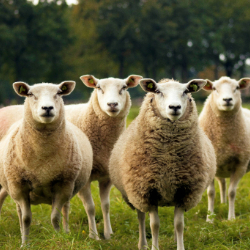
Lamb and goat tariffs protect market share, not prices. The flock is too small to respond quickly, and the burden depends on origin: 12.5 percent on Australia and New Zealand, reportedly 37.5 percent plus the base rate on China. Wool is most exposed via the export side. The U.S. depends heavily on China for wool exports and pays duties both going in and coming back. The U.S.-China agreement covers these products but is only a framework. Gains appear modest for lamb and goats and largest for wool, but no rates or start date have been published.
Tariffs affect American sheep, goat, and wool producers in two ways. Import duties on lamb and goat meat are meant to protect domestic producers, while tariffs imposed by trading part...



 The Trump import plan for 300,000 MT of beef supplies used for ground beef, i.e. lean trim, from September through November has, according to Secretary Brooke Rollins, brought some relief to beef prices. The Executive Order states that the Secretary of Agriculture will analyze and review the ma...
 Key Takeaways: Dry bulk markets are mixed this week with the Capesize sector falling on the demand slump stemming from China’s Golden Week holiday while Panamax and smaller vessel class rates remain firm. The Atlantic’s first hurricane of the season, Hurricane Isaias, intensi...
 Yesterday’s momentum is facing a tougher test today. Stocks and most grain markets have pulled back, while higher Treasury yields and a firmer dollar are making buyers work harder to defend the gains. Crude oil has turned lower, easing some immediate energy pressure, but the Fed minutes l...