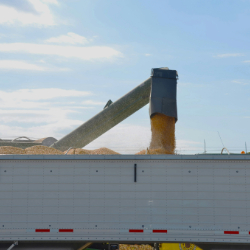
Can we really expect a bushel of corn to carry an environmental passport throughout the entire food system? One that reliably documents its carbon footprint, biodiversity impacts, water use, soil carbon, and other environmental attributes all the way from the farm field to the consumer? This is what regenerative agriculture initiatives, soil organic carbon markets, the proposed 45Z clean fuel credit, and the EU’s Corporate Sustainability Due Diligence Directive (CSDDD) want us to believe. It is an attractive vision: it sounds so good in the halls of the Capitol and in conference rooms in Brussels. If agricultural commodities could tell their own environmental story, markets could reward better stewardship by attaching environmental in...



 What You Need to Know Today: A drier early-October forecast should help harvest accelerate across areas of the western Corn Belt that have been running behind, adding pressure to soybeans and soymeal today as concerns over near-term physical tightness begin to ease. Markets are still digesting...

 USDA released its Quarterly Hogs and Pigs report for 1 September last week. The total inventory of hogs and pigs in the U.S. was 74.3 million head, reflecting a 1 percent decrease from the previous year but a 1.6 percent increase from June 2026, when the June inventory was at its lowest since 2...
 Key Takeaways: Dry bulk markets are mixed this week with the Capesize sector seeing a sharp correction from its recent rally. Smaller vessel classes are steady/firmer but the Chinese Golden Week Holiday is pressuring near-term rates. Dry bulk freight did not receive the bullish boost it...

From WPI Consulting
Infrastructure investment due diligence
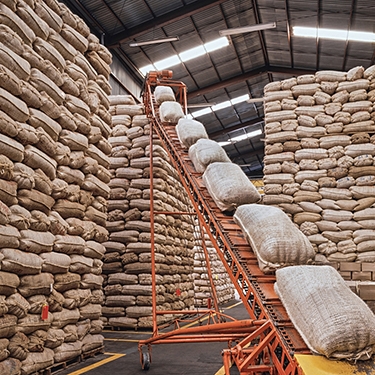
On behalf of a Canadian oilseed processer WPI's team provided market analysis, econometric modeling and financial due diligence in support of a $24 million-dollar investment in a Ukrainian crush plant. Consistent with WPI's findings, local production to supply the plant and the facility's output have expanded exponentially since the investment. WPI has conducted parallel work on behalf of U.S., South American and European clients, both private and public, in the agri-food space.