


The simple fact is that annual production and thus the annual renewability of grain and oilseed supplies allows for a quick production response to high prices. Generally, it takes a longer period of time for demand to grow in response to low prices.High prices (and good weather) are the best cure for high grain and oilseed prices, to paraphrase the old economic cliché, and the experience following 2012/13 offers vivid confirmation of this. Three years of record or near-record U.S./world crop production and growing stocks have buried those loudly-voiced fears of shortages and growing world hunger, which even at that time were overblown. Political critics of high crop prices, futures markets, lax regulation, excessive speculation, crops for b...


 What You Need to Know Today: The corn and soybean markets closed slightly higher in low-volume trade. The wheat market was mixed, with HRW continuing its downward trek on improved moisture. As expected, the bearish cattle on feed report drove down cattle prices and pulled hogs down with it. Mi...

 Monday, 25 May is a U.S. holiday, and both the markets and our office will be closed. Please note that the next issue of Ag Perspectives will be published on Tuesday, 26 May. The WPI staff wishes everyone a safe and enjoyable holiday weekend...
 USDA’s monthly cattle on feed report was released today. The total number of cattle on feed in feedlots with 1,000 head or more capacity amounted to 11.6 million head, 102 percent of last year. Source: USDA, WPI Placements were up, but part of that is attributable to persistent drought c...

From WPI Consulting
Forecasting developments in production agriculture
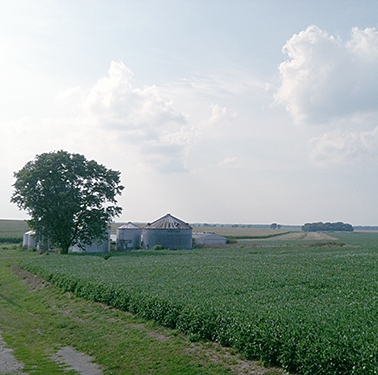
On behalf of a private U.S. agricultural technology provider, WPI’s team generated an econometric model to forecast the movement of concentrated corn production north and west from the traditional U.S. Corn Belt. WPI’s model has subsequently provided quantitative support to a multi-million-dollar investment into short-season corn variety development. WPI’s methodology included a series of interviews with regional grain elevators and seed consultants. Emphasizing outreach and communication with stakeholders who possess intimate sectoral knowledge – on-the-ground insights – is a regular component of WPI’s methodologies, made possible by WPI’s ever-growing network of industry contacts.