
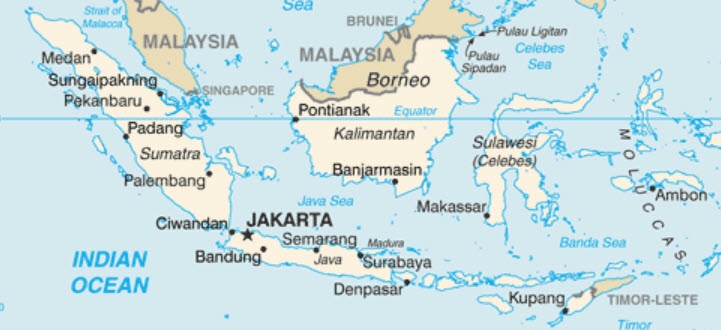
The country with the largest population is China and India is second but agricultural marketers are always looking for alternative markets. Indonesia has 265 million people living on 17,000 islands with a total arable land base of just 13 percent. While its import policies have been designed to protect its agricultural base, imports have been growing. While bulk commodities have been a key part of the growth, so have been higher value/value-added foods. Major exports are palm oil, coffee, rubber and spices. Indonesia’s food exports are relatively flat but there is room to their food imports in a nation with lots of people but not so much land. ...



 Key Takeaways: Global vegetable oil production continues to expand, but the major oils are being driven by very different supply, demand, and trade dynamics. Palm oil faces heavy near-term supply pressure from rising Malaysian inventories, while Indonesia’s B50 mandate and El Niño...
 WPI Grain Prices and Freight Rate App Note: you can also visit the app directly by clicking here. Supplemental Information The section below offers a concise view of the options available in the current version of the WPI FOB Price and Freight Rate app, along with a short “How To”...


 Key Takeaways: Export sales measure new commitments for future delivery, while export inspections provide a timelier gauge of grain that is physically moving through the export system. Sales and inspections often diverge from week to week because they measure different stages of the export pro...

From WPI Consulting
Forecasting developments in production agriculture
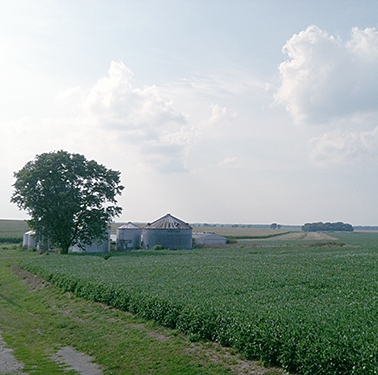
On behalf of a private U.S. agricultural technology provider, WPI’s team generated an econometric model to forecast the movement of concentrated corn production north and west from the traditional U.S. Corn Belt. WPI’s model has subsequently provided quantitative support to a multi-million-dollar investment into short-season corn variety development. WPI’s methodology included a series of interviews with regional grain elevators and seed consultants. Emphasizing outreach and communication with stakeholders who possess intimate sectoral knowledge – on-the-ground insights – is a regular component of WPI’s methodologies, made possible by WPI’s ever-growing network of industry contacts.