


There hasn’t been one in the U.S. since 2012, and USDA is currently using the second-highest corn and soybean yields ever in its supply/demand analysis. It will decide whether to change those yield estimates in the 12 July WASDE revisions, but there are two questions.We write about weather again at the risk of being excessively redundant, but there hasn’t been a weather market in the U.S. since 2012. Last year’s corn and soybean yields set all-time records. The USDA World Board is currently using the second-highest corn and soybean yields ever in its supply/demand analysis and will decide whether to change those yield estimates in the 12 July WASDE revisions. USDA/NASS won’t provide an official yield estimate based on surveys, test plots, e...


 What You Need to Know Today: China’s state-run COFCO, in statements on Tuesday, implied that U.S. corn exports were currently uneconomical but hinted that the Middle Kingdom would import 3.5 MMT of the feed grain this year, with 1 MMT likely sourced from the U.S. Another drone attack has...

 Tanker-tracking data shows a smaller recovery in oil flowing through the Strait of Hormuz than previously thought. Energy Secretary Chris Wright, speaking by video to an international energy conference in Riyadh, Saudi Arabia, said that oil moving through the strait was back to 80 to 90 percent...

 Key Takeaways: While soybean, palm, sunflower, and rapeseed oils dominate global vegetable oil markets, premium oils such as olive, avocado, coconut, and sesame command substantially higher prices due to their distinctive flavors, nutritional characteristics, and specialized culinary uses.. Ol...

From WPI Consulting
Infrastructure investment due diligence
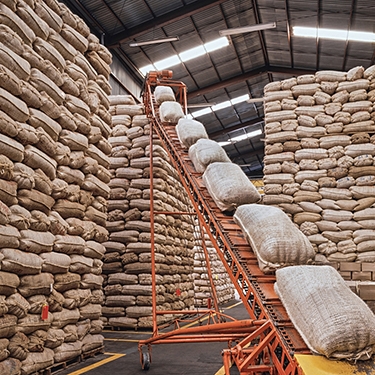
On behalf of a Canadian oilseed processer WPI's team provided market analysis, econometric modeling and financial due diligence in support of a $24 million-dollar investment in a Ukrainian crush plant. Consistent with WPI's findings, local production to supply the plant and the facility's output have expanded exponentially since the investment. WPI has conducted parallel work on behalf of U.S., South American and European clients, both private and public, in the agri-food space.