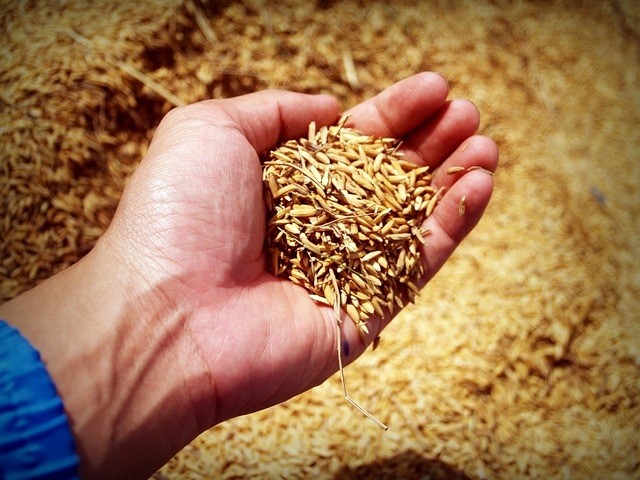
An anomaly since COVID disrupted supply chains is that the price of rice has been more stable than other food staples such as corn and wheat.
One argument for this is that a far smaller share of total rice production is traded, making it less subject to global supply/demand volatility.
This runs counter to arguments that a diversified supply chain means that a production problem in one area is remedied by surplus supplies arriving from elsewhere. Historically, the prices for these three food staples have correlated. However, rice has itself encountered periods in which its price has proved an outlier. In 2008, it reached high levels relative to wheat due to a supply shortage. In 2002 and 2013, rice farmers were exasperated...



 What You Need to Know Today: Crude oil prices extended their rally today, supported by several developments, including escalating Houthi attacks on Saudi Arabian oil infrastructure and growing concerns about supply disruptions. The Trump administration is reportedly preparing to remove 50 perc...
 Key Takeaways: The agricultural trade surplus has become a sizable deficit: the balance swung from a $40.1 billion surplus in 2011 to a $40.7 billion deficit in 2025. Imports kept growing while exports lost momentum: between 2020 and 2025, agricultural imports increased 45 percent, compa...

 USDA released its October Cattle on Feed report Friday, showing 11.4 million cattle in feedlots with capacity for 1,000 head or more, slightly below last year. September placements were the lowest for the month since records began in 1996, marking the third consecutive month of placements sett...
 Regional News Dry weather across the UK and Europe is becoming increasingly concerning for the 2027 crops as planting intentions are lowered amid dry soil conditions. Delayed sowing or establishment under adverse conditions could leave crops more vulnerable to frost/freeze events and dise...