
Trade Negotiator Frustrations Much of the media coverage of the U.S. – China Phase One trade agreement has centered around Beijing’s commitment to fixed amounts of purchases of goods, services, energy and agriculture. But for U.S. trade negotiators, the focus should be on the technical obligations they’ve extracted from the Chinese. After all, it has been the technical barriers to trade that has most hindered sales. It is also the reason why the agreement is nearly 100 pages long. For example, USTR is proud of getting the Chinese commitment to take no more than two years to approve new GMO events. The section on DDGS is illustrative of the details in the agreement. In allowing DDGS imports from the U.S., China shall:...



From WPI Consulting
Forecasting developments in production agriculture
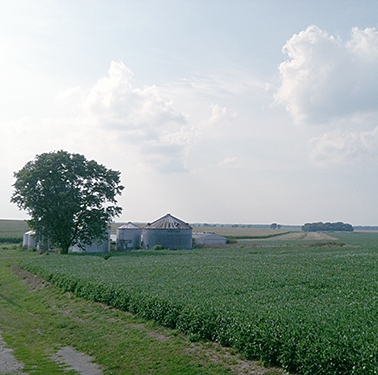
On behalf of a private U.S. agricultural technology provider, WPI’s team generated an econometric model to forecast the movement of concentrated corn production north and west from the traditional U.S. Corn Belt. WPI’s model has subsequently provided quantitative support to a multi-million-dollar investment into short-season corn variety development. WPI’s methodology included a series of interviews with regional grain elevators and seed consultants. Emphasizing outreach and communication with stakeholders who possess intimate sectoral knowledge – on-the-ground insights – is a regular component of WPI’s methodologies, made possible by WPI’s ever-growing network of industry contacts.