


 This is the limbo period between the expectations and reality of a new crop going into the ground. Prices gyrate in a narrow range, awaiting something more definitive than planting “intentions.” The bears see a planting pace off to a quick start, the bulls see ground that in many pl...
 Kevin Warsh, formerly a member of the Federal Reserve Board, has been nominated by President Trump to be the Chairman of the Federal Reserve. Trump has long been critical of current Chair Jerome Powell, even opening a Department of Justice (DOJ) investigation into the handling of cost overruns...


 Previous administrations—including that of President Donald Trump—have promoted domestic consumption of corn and soybeans through expanded biofuel mandates and subsidies. The original framework for this policy was the Energy Independence and Security Act of 2007, which required the...

From WPI Consulting
Forecasting developments in production agriculture
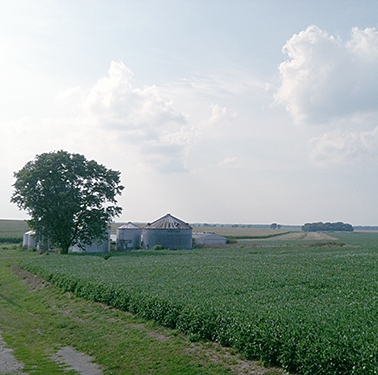
On behalf of a private U.S. agricultural technology provider, WPI’s team generated an econometric model to forecast the movement of concentrated corn production north and west from the traditional U.S. Corn Belt. WPI’s model has subsequently provided quantitative support to a multi-million-dollar investment into short-season corn variety development. WPI’s methodology included a series of interviews with regional grain elevators and seed consultants. Emphasizing outreach and communication with stakeholders who possess intimate sectoral knowledge – on-the-ground insights – is a regular component of WPI’s methodologies, made possible by WPI’s ever-growing network of industry contacts.