


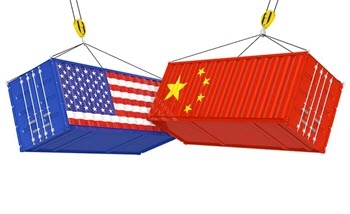
The U.S.– China trade war has had a far more dramatic impact on American agriculture than it has had on farmers in the Middle Kingdom. In fiscal year 2017, the U.S. had a $16 billion agricultural trade surplus with China. In percentage terms, U.S. food sales to China that year were 142 percent greater than PRC agricultural sales to America. By 2019, that advantage had shrunk to just $3.5 billion. As U.S. food sales to China slipped by $8 billion in fiscal year 2019, the Middle Kingdom managed in the middle of the trade war to boost its food sales to the States by nearly $500 million. However, just as the U.S. has had more to lose in a trade war with its largest customer, it has more to gain from the normalization of trad...



From WPI Consulting
Weighing in on strategic realignment

WPI’s team was retained by the governing board of a U.S. industry organization to review a decision, reached by vote, to invest significant assets into the development and management of an export trading company. WPI’s team conducted a formal review of this decision and concluded that the current level of market saturation would limit the benefits of the investment. Based on WPI’s analysis and recommended actions, the board subsequently reversed its decision and undertook a strategic planning effort to identify more impactful investments. On behalf of numerous clients, WPI has not only assisted in identifying strategic paths but also advised their implementation.