Grain transportation was thrown into confusion this week as ice and low water levels on the Mississippi River System snarled barge traffic and caused a surge in CIF grain values. On the ocean freight markets, rising bunker prices and improved demand in the Atlantic drove dry-bulk markets higher. And that's not all that happened this week. WPI is pleased to release the fourth week of the Transportation and Export Report, a weekly industry publication previously produced by ocean freight specialist Jay O’Neil. This report, which WPI recently acquired, will strengthen WPI’s coverage of global ocean freight markets by building on the best-in-class insights generated through Jay’s long-established network of industry sour...



 What You Need to Know Today: New World screwworm detections in the United States continue to accelerate, with 81 new cases reported in November, bringing the cumulative total to 165. The first detection in a pig in Zapata County, Texas, highlights the potential implications for the U.S. pork i...

 A large market that competitors serve and that most U.S. producers have not looked at. Key Takeaways: Australia, Brazil, India and New Zealand built export businesses around Muslim-majority demand. The U.S. built markets differently. Halal is the gate: certification, government recognition and...
 A group of mid-sized beef packers sent a letter to Congress supporting the USDA’s voluntary Product of the USA label, which has been adopted by more than 30 companies. The voluntary label was introduced on 1 January 2026. It requires that single-ingredient beef products come from cattle b...

From WPI Consulting
Forecasting developments in production agriculture
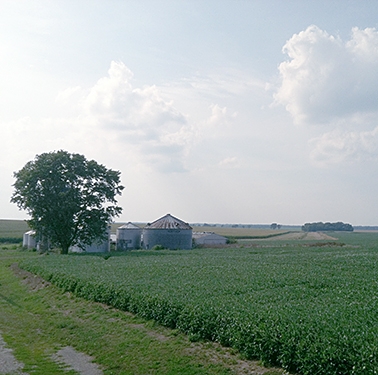
On behalf of a private U.S. agricultural technology provider, WPI’s team generated an econometric model to forecast the movement of concentrated corn production north and west from the traditional U.S. Corn Belt. WPI’s model has subsequently provided quantitative support to a multi-million-dollar investment into short-season corn variety development. WPI’s methodology included a series of interviews with regional grain elevators and seed consultants. Emphasizing outreach and communication with stakeholders who possess intimate sectoral knowledge – on-the-ground insights – is a regular component of WPI’s methodologies, made possible by WPI’s ever-growing network of industry contacts.