Every five years, the Dietary Guidelines for Americans, issued by USDA and the Department of Health and Human Services (HHS) are updated. The new guidelines will be issued next year for 2025-2030. This guidance provides advice on what to eat and drink to meet nutrient needs, promote health, and prevent disease. It is developed and written for a professional audience, including policymakers, healthcare providers, nutrition educators, and Federal nutrition program operators. Federal feeding programs adhere to the guidelines. Increasingly, these guidelines have become more controversial, culminating in 2015 when the guidelines included sustainability and environmental goals, and failed to include any recommendation to include red meat in...



 What You Need to Know Today: A third U.S. border crossing (Columbus, New Mexico) has reopened to Mexican cattle imports following nearly two years of restrictions related to New World screwworm. The reopening could gradually improve feeder cattle availability, although more than 60 confi...

 Yesterday, the USDA’s Agricultural Marketing Service (AMS) released a new report of negotiated cash purchases of cattle under the mandatory price report. The report included Colorado, New Mexico, Oklahoma, Texas, and Kansas. The goal of the report was to solve the confidentiality issues e...

 Key Takeaways: U.S. soybean crushing began in 1911 and saw its most rapid expansion during the 1930s amid the broader agricultural and technology revolutions of the time. After peaking in the early 2000s, the soybean crushing industry went through a downturn as poor crush margins forced...

From WPI Consulting
Infrastructure investment due diligence
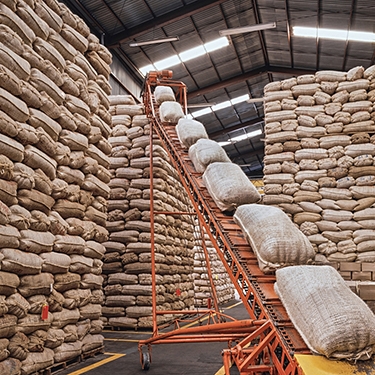
On behalf of a Canadian oilseed processer WPI's team provided market analysis, econometric modeling and financial due diligence in support of a $24 million-dollar investment in a Ukrainian crush plant. Consistent with WPI's findings, local production to supply the plant and the facility's output have expanded exponentially since the investment. WPI has conducted parallel work on behalf of U.S., South American and European clients, both private and public, in the agri-food space.