


USDA trimmed the U.S. wheat export forecast by 25 million bushels (680,000 MT) in the December WASDE (supply & demand), but that wasn’t a surprise given the 9 percent lag in sales against a year ago. Its revised export goal is an 11 percent increase over last year. Export sales of hard red winter wheat are 31 percent behind last year with actual shipments down 37 percent. Soft red winter wheat sales and shipments, on the other hand, are up 26 percent and 10 percent, respectively, versus last year’s pace. This compares with USDA’s export goal of a significant 43 percent increase. Hard red spring wheat export sales are 4 percent ahead of a year ago with USDA looking for a 32 percent increase. Virtually every analyst, in...


 Markets are caught between reasons to keep selling and reasons to take another look. Fund liquidation and renewed peace talks are pressuring grains, while fresh export business and some diesel relief offer encouragement. Corn recovered nearly 10 cents from its low to finish higher, while soybea...

 Key Takeaways: President Trump announced $8 billion in additional agricultural assistance through the Harvest Fuel Relief Program, as USDA projects farm fuel and oil expenses will increase 28.8 percent in 2026. The package follows $12 billion in earlier relief, while government farm payments w...

 Key Takeaways: A student group from the University of Chicago is protesting to bring back onion futures trading. Trading in onion futures was banned in 1958 following a spectacular bout of market manipulation that resulted in a corner of the physical market. The ban on onion futures led t...

From WPI Consulting
Infrastructure investment due diligence
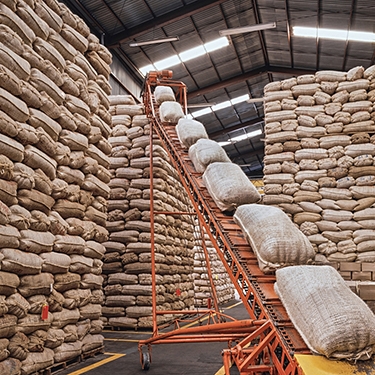
On behalf of a Canadian oilseed processer WPI's team provided market analysis, econometric modeling and financial due diligence in support of a $24 million-dollar investment in a Ukrainian crush plant. Consistent with WPI's findings, local production to supply the plant and the facility's output have expanded exponentially since the investment. WPI has conducted parallel work on behalf of U.S., South American and European clients, both private and public, in the agri-food space.