Key Takeaways:
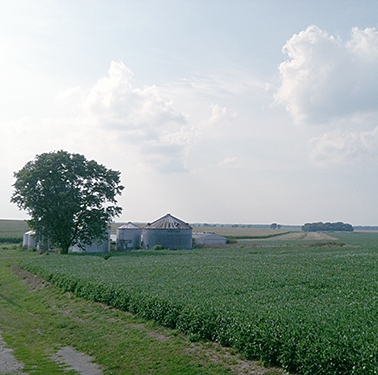
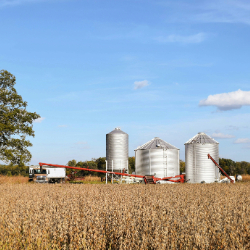
The U.S. maintains a significant storage advantage, with a much larger share of grain storage located on farms, giving producers greater flexibility to manage timing, basis, and pricing decisions. Brazil's storage deficit increases harvest-time pressure on logistics and exports, as limited storage capacity forces more grain into the supply chain immediately after production. Extensive on-farm storage allows U.S. producers to separate harvest from sales decisions, improving their ability to manage basis risk, capture carry opportunities, and enhance grain marketing outcomes. Expanding on-farm storage remains a priority for Brazil, but significant capital requirements and long investment payback periods have slowed adoption de...



 What You Need to Know Today: U.S. and Chinese officials are expected to discuss agriculture and non-tariff trade barriers ahead of Chinese President Xi Jinping’s visit to Washington later this month, potentially opening the door to additional U.S. agricultural purchases or improved marke...
 The U.S. will observe Labor Day on Monday, 7 September. U.S. markets and the WPI office will be closed that day. The next edition of Ag Perspectives will be published Tuesday, 8 September...

 Key Takeaways: Drought and changes to the multi-year trend in cow slaughter and retention have the potential to dramatically alter beef trim supplies and pricing, and WPI specifically models three different drought scenarios for fall 2026. Based on our models, WPI expects 90 percent lean...