Key Takeaways:
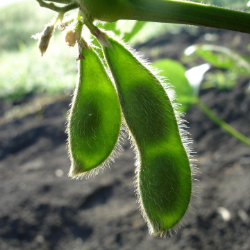
China's rise to become the world's largest soybean importer reshaped global trade flows, but recent trade tensions have reduced its share of U.S. soybean exports. U.S. soybean exports have become increasingly diversified as exporters expanded sales to multiple emerging markets to offset reduced Chinese demand. Egypt has emerged as one of the fastest-growing destinations for U.S. soybeans, supported by expanding feed demand and a clear preference for high-protein soybean supplies. Southeast Asia has become a major growth market as livestock production, aquaculture output, and soybean crushing capacity continue to expand, boosting demand for both soymeal and whole soybeans. Mexico remains a cornerstone of U.S. soybean demand,...



 What You Need to Know Today: The U.S. dollar continued to strengthen Thursday as persistent inflation reinforced expectations for additional Federal Reserve interest rate hikes. Higher Treasury yields have helped support the dollar, potentially reducing the competitiveness of U.S. agricultural...

 In yesterday’s WASDE, USDA reduced its overall red meat and poultry production forecast for 2026 as declines in beef and broiler output more than offset increases in pork and turkey production. Fourth-quarter beef production was revised downward because of slower fed cattle marketings and...
 Key Takeaways: Dry bulk freight markets were stronger this week, but the rally was uneven and due to divergent dynamics across basins and vessel classes. Panamax markets were broadly higher, but Atlantic grain demand was primarily responsible while Asian activity was subdued. That trend...