


USDA did not raise the corn or soybean yields in the July WASDE, and most analysts believe that will occur in August. Increased yields, of course, will mean another rise in the ending supply estimates.The July USDA WASDE numbers released this morning were very close to what the market was looking for in corn and soybeans, but larger than expected for wheat. Markets reacted with sharp losses anyway because USDA did not raise the corn or soybean yields, and most analysts believe that will occur in August. Increased yields, of course, will mean another rise in the ending supply estimates. The tables below show today's report numbers:CornUSDA reduced the corn feed consumption 50 million bushels today. It left the 2014/15 ethanol and export esti...


 What You Need to Know Today: The corn and soybean markets closed slightly higher in low-volume trade. The wheat market was mixed, with HRW continuing its downward trek on improved moisture. As expected, the bearish cattle on feed report drove down cattle prices and pulled hogs down with it. Mi...

 Monday, 25 May is a U.S. holiday, and both the markets and our office will be closed. Please note that the next issue of Ag Perspectives will be published on Tuesday, 26 May. The WPI staff wishes everyone a safe and enjoyable holiday weekend...
 USDA’s monthly cattle on feed report was released today. The total number of cattle on feed in feedlots with 1,000 head or more capacity amounted to 11.6 million head, 102 percent of last year. Source: USDA, WPI Placements were up, but part of that is attributable to persistent drought c...

From WPI Consulting
Infrastructure investment due diligence
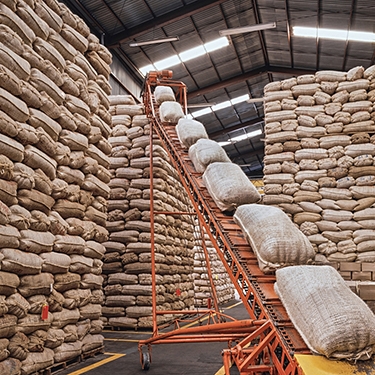
On behalf of a Canadian oilseed processer WPI's team provided market analysis, econometric modeling and financial due diligence in support of a $24 million-dollar investment in a Ukrainian crush plant. Consistent with WPI's findings, local production to supply the plant and the facility's output have expanded exponentially since the investment. WPI has conducted parallel work on behalf of U.S., South American and European clients, both private and public, in the agri-food space.