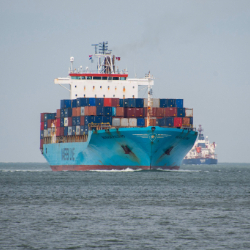
The war in Iran is taking a toll on meat exports as well as fuel and fertilizer. As noted in a letter to the Administration, “Maritime freight disruptions from the ongoing conflict in Iran pose significant consequences to food security here at home and around the world.” This comes on top of extreme weather events, including a widespread January winter storm and cold wave that brought snow, ice, and freezing temperatures across large portions of the nation. The storms resulted in billions of dollars in losses, including livestock operation disruptions and major losses for fruit, vegetable, sugar, and citrus crops in the Southeast. Additionally, drought, high winds, and historic wildfires continue across many portions of the Plai...



 What You Need to Know Today: Corn and soybeans were under heavy selling pressure as weaker (or at least as-expected) export demand runs into an accelerating harvest pace with more grain available in the spot market. Corn and soybean harvest progress remains below average across the U.S., espec...

 Key Takeaways: Brazil confirmed a Newcastle disease outbreak at a commercial turkey farm in Santa Catarina on 18 October, raising concerns about potential disruptions to poultry exports despite the outbreak being confined to a single facility thus far. Mexico and Malaysia have imposed nationwi...


 Yesterday, Alberta held a referendum on whether to begin the process toward independence from Canada. With more than one million votes counted as of early Tuesday morning, around 77 percent supported remaining in Canada, and 23 percent voted to start the process of separation, according to unof...

From WPI Consulting
Communicating importance of value-added products

Facing increasing pressure to quantify the value of export promotion efforts to investors, a U.S. industry organization retained WPI to develop a quantitative model that better communicated the importance of exports. The resulting model concluded that value-added meat exports contributed $0.45 cents per bushel to the price of corn, increasing support for that sector’s financial support of WPI’s client. In addition to serving the red meat industry with this type of analysis, WPI has generated similar deliverables for the U.S. soybean and poultry/egg industries.