

USDA reports that 2019/20 U.S. soybean had increased exports and lower ending stocks; U.S. soybean exports for 2019/20 are up 50 million from last month at 1.825 billion bushels - partly reflecting increased imports for China. With soybean crush unchanged, soybean ending stocks are reduced 50 million bushels to 425 million. The U.S. season-average soybean price for 2019/20 is forecast at $8.75 per bushel, down 25 cents. Soybean production for Brazil is increased 2 million tons to 125 million due to favorable weather in Mato Grosso as well as improved rainfall in southern and northeastern soybean areas. China’s soybean imports are increased 3 million tons to 88 million reflecting higher soybean crush. Correspon...



 What You Need to Know Today: Traders are increasingly focused on next Wednesday’s August WASDE report, with corn and soybean yield estimates expected to drive the next major move in grain markets. Recent crop condition declines and late-July heat have increased uncertainty around USDA&rs...
 Yesterday the Senate Agriculture Committee held its markup of the “skinny” farm bill, and it was derailed over Democratic opposition to plans for imposing food stamp costs on state governments. The Democrats pushed back on a provision that required states to pick up a larger share o...
 Key Takeaways: WPI’s 2025/26 corn export models continue to reflect strong international demand and put the total marketing year volume slightly above USDA’s estimates. Strong old crop corn exports are offset by weaker feed and residual use, leaving ending stocks slightly ele...

From WPI Consulting
Infrastructure investment due diligence
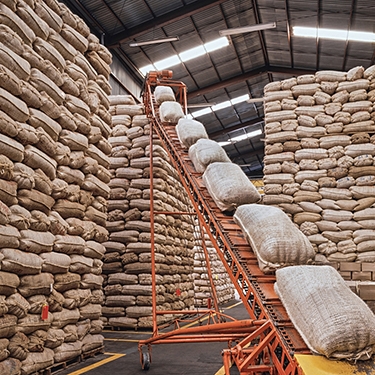
On behalf of a Canadian oilseed processer WPI's team provided market analysis, econometric modeling and financial due diligence in support of a $24 million-dollar investment in a Ukrainian crush plant. Consistent with WPI's findings, local production to supply the plant and the facility's output have expanded exponentially since the investment. WPI has conducted parallel work on behalf of U.S., South American and European clients, both private and public, in the agri-food space.