Key Takeaways:
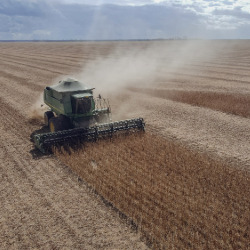
Early U.S. biofuel policy relied primarily on crop-based feedstocks such as corn and vegetable oils. California's LCFS increased demand for waste-derived feedstocks by rewarding fuels with lower carbon intensity scores. Supplies of used cooking oil, animal fats, and distillers corn oil are inherently constrained because they are byproducts of other industries. Imports helped bridge the feedstock gap until Section 45Z limited tax credit eligibility for foreign feedstocks. Feedstock constraints have renewed demand for first-generation feedstocks, particularly soyoil. While innovation may expand waste feedstock supplies, scalability challenges are likely to preserve a significant role for crop-based feedstocks in future biofuel...



 What You Need to Know Today: The September Cattle on Feed report was strongly bullish, with both the 1 September on-feed inventory and August placements coming in well below average expectations and below the bottom of their respective pre-report estimate ranges. China continues to buy U...


 USDA’s September cattle on feed report was released Friday, with the total number of cattle in feedlots with 1,000 head or more capacity amounting to 11.2 million head, 101 percent of last year. Placements dropped in August to their lowest total for the month since records began in 1996...
 Key Takeaways: The U.S. herd is stabilizing, but growth remains modest. Total goat inventory rose 1 percent in 2026, while meat-goat numbers increased 2 percent, which is not enough to materially reduce import dependence. Domestic slaughter is rising from a low base. Commercial slaughter incre...