

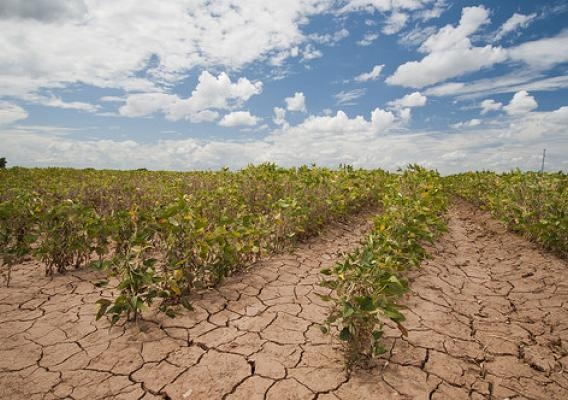
Earlier this week, we were asked why grain and soy futures markets do not seem to be taking the lack of rainfall and resulting dryness in portions of Brazil and Argentina very seriously, especially with typical La Nina weather conditions likely to acerbate the situation in the weeks ahead. Our reply was that they do not see a measurable problem – at least not yet. That is an overly simple answer to a question about a very complex situation, but it did prompt us to think about the current state of play regarding South American weather. There are some things that should be considered in a discussion of markets, the current weather situation in Brazil and Argentina, and the potential impact from La Nina. Among them are the following:...



 What You Need to Know Today: USDA reports are delayed until Tuesday due to the federal holiday on Monday. Over the weekend, President Trump announced a ceasefire between Russia and Ukraine. Russia warmly welcomed and confirmed this ceasefire by conducting more strikes against Ukraine. Specific...

 On Saturday, 10 October, at a campaign rally in Clarksville, Tennessee, President Trump said that the U.S. and Mexico would come to terms on a new trade deal, and he said Canada does not need to be part of the deal. Trump called the coming agreement with Mexico “great” but gave no d...
 Key Takeaways: The United States has steadily lost global wheat export market share since the 1970s, falling from the world's leading exporter to a projected fifth place in 2026/27. The rapid expansion of Black Sea wheat exports, driven by improved productivity and export infrastructure, has r...

From WPI Consulting
Forecasting developments in production agriculture
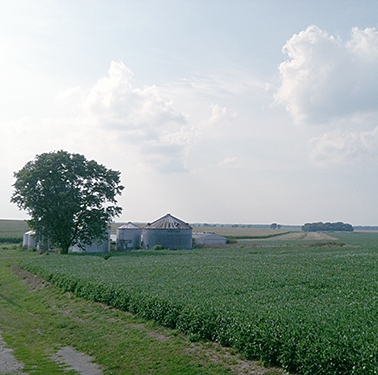
On behalf of a private U.S. agricultural technology provider, WPI’s team generated an econometric model to forecast the movement of concentrated corn production north and west from the traditional U.S. Corn Belt. WPI’s model has subsequently provided quantitative support to a multi-million-dollar investment into short-season corn variety development. WPI’s methodology included a series of interviews with regional grain elevators and seed consultants. Emphasizing outreach and communication with stakeholders who possess intimate sectoral knowledge – on-the-ground insights – is a regular component of WPI’s methodologies, made possible by WPI’s ever-growing network of industry contacts.