


It is now at the mid-point of the growing season, and weather has been quite good. However, extended forecasts suggest a potential threat to yield cushions of certain crops and, thus, ending supplies.The July USDA WASDE numbers weren’t quite as bearish for corn and wheat as many in the trade anticipated. Ending supplies were raised for both, but the gains were less than the average trade guesses. The soybean numbers came in about as expected, although higher planted acreage did result in a slight boost in ending supplies. However, the soybean supply continues to tighten.USDA did not change the yield estimate for either corn or soybeans. They are both the third-largest ever with the national average yields at 168 bushels/acre for corn and 46...


 What You Need to Know Today: The corn and soybean markets closed slightly higher in low-volume trade. The wheat market was mixed, with HRW continuing its downward trek on improved moisture. As expected, the bearish cattle on feed report drove down cattle prices and pulled hogs down with it. Mi...

 Monday, 25 May is a U.S. holiday, and both the markets and our office will be closed. Please note that the next issue of Ag Perspectives will be published on Tuesday, 26 May. The WPI staff wishes everyone a safe and enjoyable holiday weekend...
 USDA’s monthly cattle on feed report was released today. The total number of cattle on feed in feedlots with 1,000 head or more capacity amounted to 11.6 million head, 102 percent of last year. Source: USDA, WPI Placements were up, but part of that is attributable to persistent drought c...

From WPI Consulting
Infrastructure investment due diligence
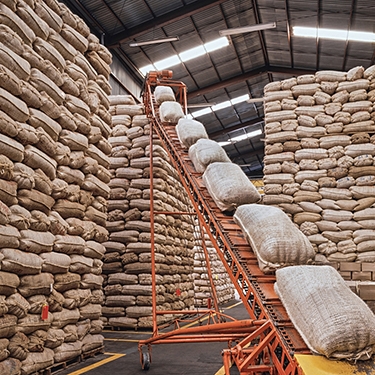
On behalf of a Canadian oilseed processer WPI's team provided market analysis, econometric modeling and financial due diligence in support of a $24 million-dollar investment in a Ukrainian crush plant. Consistent with WPI's findings, local production to supply the plant and the facility's output have expanded exponentially since the investment. WPI has conducted parallel work on behalf of U.S., South American and European clients, both private and public, in the agri-food space.