

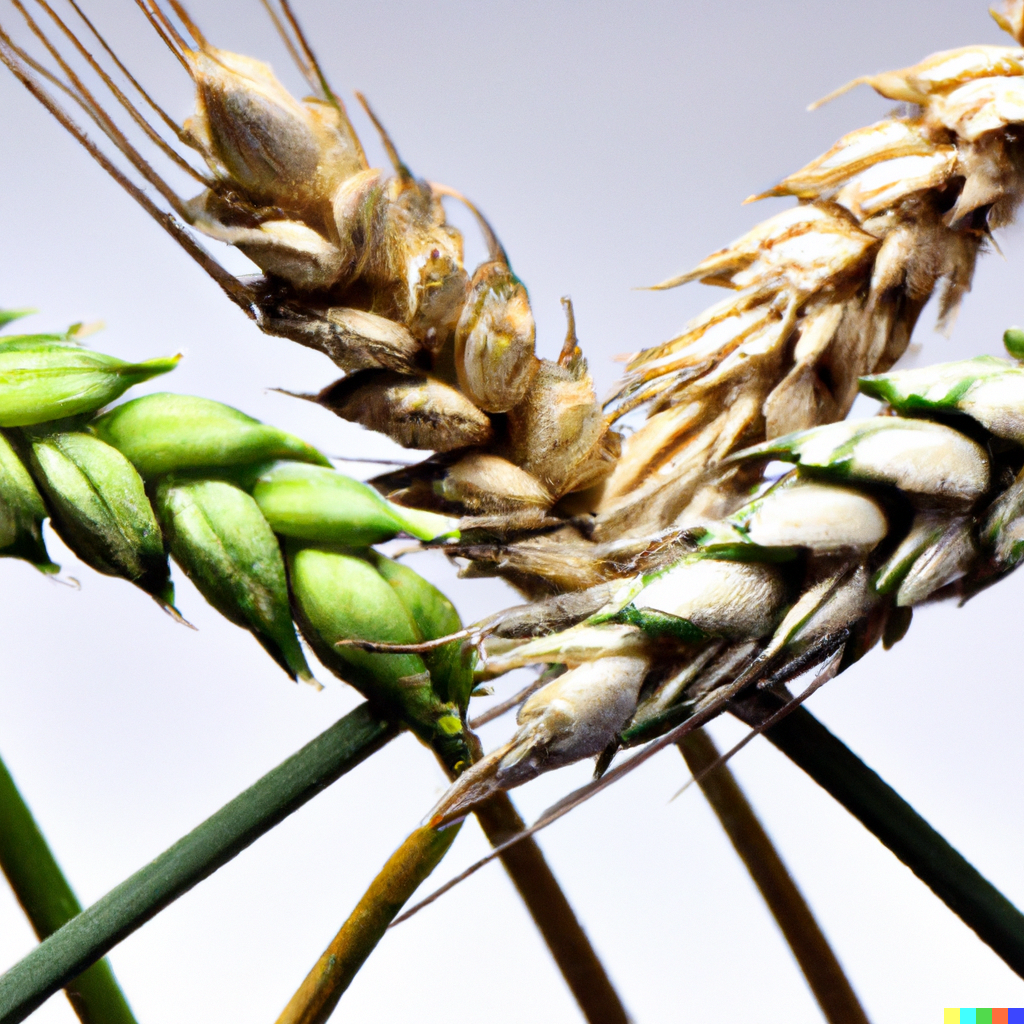
The battle for acres between soybeans and corn is well known but other crops are also considered by producers. For the top three cereal grain crops, there are wide ranging pros and cons to each one.
One of the largest influences on planting choice is net returns but agronomics, including moisture and heating degree days are key dictates. That is why Canada grows proportionally more barley, and the U.S. grows more corn. Collectively, the global winner over time has been corn. Over the past few decades, global barley production has increased by a little over 12 percent, wheat production has expanded by 34 percent, but corn output is up by almost 100 percent. ...



 What You Need to Know Today: There has already been a strong run of flash soybean sales announcements in recent weeks, but more than 1.4 MMT reported this morning is an exceptionally large single-day total with major implications for the market. If the sales to China and unknown destinations w...
 On Friday, at 6:57 AM, President Donald Trump announced, via a social media post, a 90-day window during which up to 300,000 metric tons of product for ground beef could be imported outside of tariff-rate quotas—a move aimed at bringing down costs for American consumers. This is the secon...

