
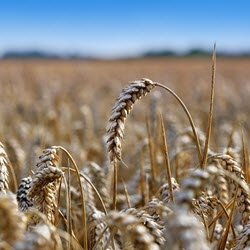
White wheat is being heavily purchased by China, but not for its usual purpose. The U.S. has five major wheat classes. Hard Red Winter (HRW) is the largest by production and has high protein and strong gluten. Durum has the lowest production but is also a high gluten product. Two-thirds of wheat futures contracts are traded in Soft Red Winter even though it is a relatively minor wheat class. It serves as a proxy for overall wheat. Soft white, or white wheat is predominantly grown in the U.S. Pacific Northwest and has two sub-classes plus two different growing seasons, both winter and spring varieties. It is heavily used in Asian-style noodles, and bakery products like sponge cakes and pastries. But China has been buying larger amount...



From WPI Consulting
Accountability and a comprehensive approach to export programming

WPI’s team helped construct a strategic approach to develop, implement, and track promotional activities in 8 key regions across the globe for an agricultural export association. With continued progress measurement and strategic advisory services from WPI, the association has seen its ROI from investments in promotional programming increase by 44 percent over the past 5 years. Not only does this type of holistic approach to organizational strategy provide measurable results to track and analyze, it fosters top-down and bottom-up organizational accountability.