


The first six weeks of spring have been unusually cold and wet for most of the central U.S. Drenching rains together with the melting of an unusually deep snowpack have led to widespread flooding and saturated soils from the Delta north to the Dakotas and from the Plains east to the Atlantic Ocean. This has had a variety of impacts on crops and planting. The copious rainfall over the southern and central Plains has resulted in unusually high weekly condition ratings for the HRW crop. Overall, winter wheat was rated 64 percent good/excellent (G/E) by USDA as of 28 April. Ratings for HRW were relatively high with Oklahoma clocking an unusual 79 percent G/E. However, SRW in the mid-South and eastern Midwest is struggling with Missouri at 42 pe...



From WPI Consulting
Infrastructure investment due diligence
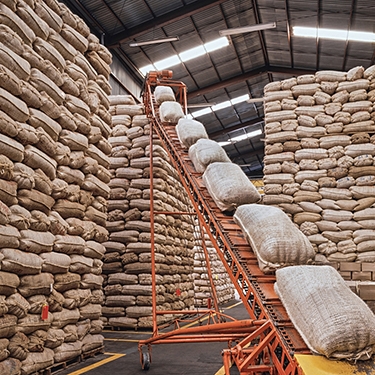
On behalf of a Canadian oilseed processer WPI's team provided market analysis, econometric modeling and financial due diligence in support of a $24 million-dollar investment in a Ukrainian crush plant. Consistent with WPI's findings, local production to supply the plant and the facility's output have expanded exponentially since the investment. WPI has conducted parallel work on behalf of U.S., South American and European clients, both private and public, in the agri-food space.