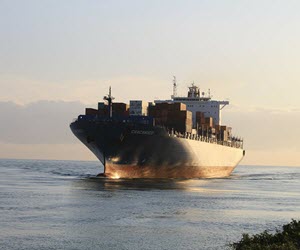
Dry bulk markets were mixed and relatively quiet this week. The Capesize sector traded steady on flagging spot demand despite an increase in Chinese iron ore demand and rising Dalian steel futures. The Panamax sector was the upside leader for the week, primarily due to Pacific demand. Freight markets need more physical demand to support rates, and that demand is being actively undermined by trade wars, tariffs, and port fees.
Capesize markets are seeing enquiries from miners for early November dates with Aussie demand remaining quiet but offset with larger interest from other Pacific countries. For C3 rates from Brazil and/or West Africa, the market’s attention is now on late November or early December dates. Vessel availabili...



 What You Need to Know Today: The G7 agreed to release 100 million barrels of crude oil and fuel reserves over four months, with a substantial diesel release front-loaded into the first 20 days. The announcement initially pushed crude oil lower on Friday, although it later recovered a portion o...

 In a recent social media post, R-CALF unveiled its latest cattle market plan: “contracts that bind producers before establishing a base price, then tie that price to future negotiated cash transactions, should be prohibited.” That proposal aligns with recent legislation by Represent...
 Key Takeaways: The recent pearl-clutching from parts of the beef industry regarding the loss of the daily Kansas fed cattle negotiated trade pricing report is overwrought and ignores the fact that the direction was readily apparent. The shift away from negotiated trade has been well docu...