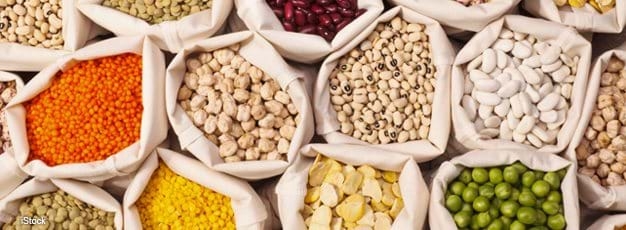
The International Grains Council (IGC) announced that it will include pulses in its definition of grains and expand market information on these products. Trade in pulses has been increasing as they grow in stature as a staple food and plant-based protein. The pod-based seeds of the legume family come in a variety of shapes and colors, and increasingly serve the role of sustainability. The UN got so excited it created the International Year of Pulses. They are viewed as inexpensive, easy to store, nutrient-dense and can be grown in a variety of climates. Although trade in dried peas took off in 2020, this year growth has seen stronger growth in dried beans. Governments have begun subsidizing pulses as a new superfood, but also with th...



 What You Need to Know Today: Crude oil prices extended their rally today, supported by several developments, including escalating Houthi attacks on Saudi Arabian oil infrastructure and growing concerns about supply disruptions. The Trump administration is reportedly preparing to remove 50 perc...
 Key Takeaways: The agricultural trade surplus has become a sizable deficit: the balance swung from a $40.1 billion surplus in 2011 to a $40.7 billion deficit in 2025. Imports kept growing while exports lost momentum: between 2020 and 2025, agricultural imports increased 45 percent, compa...

 USDA released its October Cattle on Feed report Friday, showing 11.4 million cattle in feedlots with capacity for 1,000 head or more, slightly below last year. September placements were the lowest for the month since records began in 1996, marking the third consecutive month of placements sett...
 Total Red Meat & Poultry September 2026 total red meat and poultry stocks totaled 1.97 billion pounds, down 1.4 percent from August despite typically increasing 0.8 percent during the month, and were 1.5 percent below September 2025 levels. The decline pushed total inventories to a new five...

From WPI Consulting
Accountability and a comprehensive approach to export programming

WPI’s team helped construct a strategic approach to develop, implement, and track promotional activities in 8 key regions across the globe for an agricultural export association. With continued progress measurement and strategic advisory services from WPI, the association has seen its ROI from investments in promotional programming increase by 44 percent over the past 5 years. Not only does this type of holistic approach to organizational strategy provide measurable results to track and analyze, it fosters top-down and bottom-up organizational accountability.